

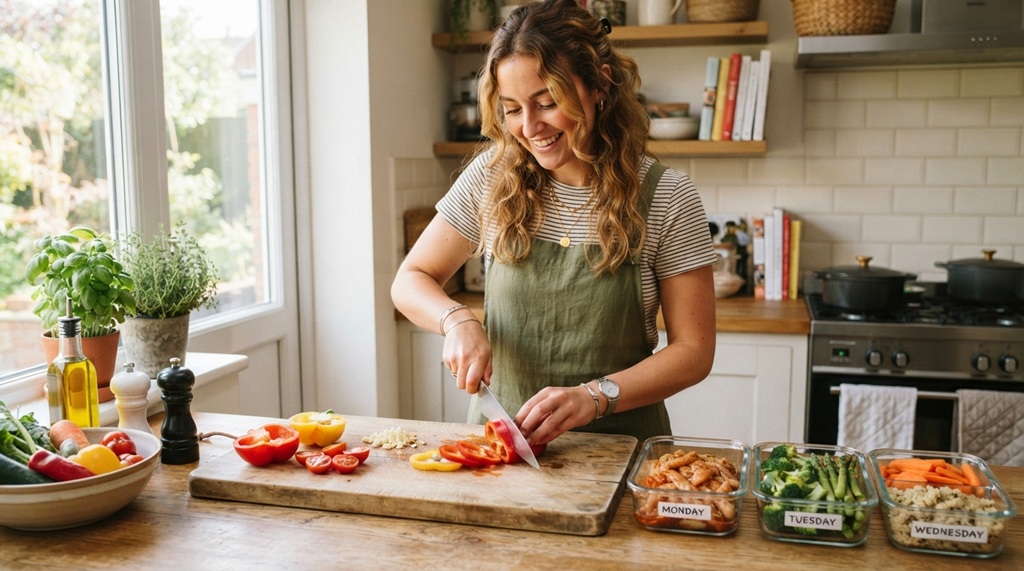
You don’t need hours in the kitchen to eat well. Instead, you need a few simple tools, a short list of easy recipes, and a system that works with your schedule instead of against it. This guide breaks down exactly how to do that, step by step.
Most people think cooking takes too much time or skill. That’s not true. In fact, once you learn five or six basic meals, you can cook dinner in 20 minutes or less. The trick is knowing which meals to learn first.
By the end of this article, you’ll have a simple plan. You’ll know what to buy, what to cook, and how to make it a habit that sticks.
Why Busy Young Adults Struggle to Cook Consistently
Most people don’t cook because they feel overwhelmed, not because they lack skill. On top of that, work, school, and social life eat up the hours you’d need to plan and prep meals.
Three things usually get in the way:
- Decision fatigue. After a long day, deciding what to cook feels like one more task you don’t have energy for.
- Lack of a routine. Without a system, every meal becomes a fresh choice from scratch.
- Fear of wasting food. Buying food that goes bad before you use it feels like a loss, so people avoid cooking altogether.
The fix isn’t more willpower, though. It’s a simpler system. Once you remove the daily decisions and build a routine, cooking becomes automatic.
Build a Kitchen That Makes Cooking Fast
A well-stocked kitchen saves you time every single day. You don’t need fancy gadgets for this. Instead, you need a handful of tools and basic ingredients that work for dozens of meals.
Tools You Actually Need
Skip the gadgets you’ll never use, and focus on these basics instead:
- A sharp chef’s knife
- One large nonstick pan
- A medium pot with a lid
- A cutting board
- Measuring cups and spoons
These five items cover almost every basic meal. For example, a sharp knife alone will cut your prep time in half, since dull knives slip and slow you down.
Pantry Staples That Save You Time
Keep these on hand, and you’ll always have something to cook:
- Rice, pasta, and canned beans
- Olive oil, salt, and a few dried spices
- Canned tomatoes and stock
- Eggs, frozen vegetables, and frozen proteins
Frozen vegetables matter more than people realize. They’re pre-cut, they don’t spoil, and they cook just as well as fresh ones in most recipes.
Learn Five Meals You Can Cook on Repeat
You don’t need a huge recipe collection. Instead, you need five or six meals you can make without thinking. Repetition builds speed, and speed is what busy people need most.
Meal 1: One-Pan Eggs and Vegetables
First, crack a few eggs into a hot pan with frozen vegetables and a little oil. Then cook for five minutes, stirring occasionally, until the eggs set. This works for breakfast, lunch, or dinner.
Meal 2: Pasta With Canned Tomatoes
Boil pasta while you heat canned tomatoes with garlic and oil in a separate pan. Once the pasta is done, combine the two. Altogether, this meal takes about 15 minutes.
Meal 3: Rice, Beans, and Frozen Protein
Cook rice according to the package. Meanwhile, heat canned beans and a frozen protein like chicken or tofu in a pan with spices. Together, this meal covers protein, carbs, and fiber in one bowl.
Meal 4: Sheet-Pan Chicken and Vegetables
Toss chicken pieces and chopped vegetables with oil and spices. Next, spread them on a tray and bake at 400°F for 20 to 25 minutes. Because everything cooks on one pan, cleanup takes seconds.
Meal 5: Stir-Fry With Whatever You Have
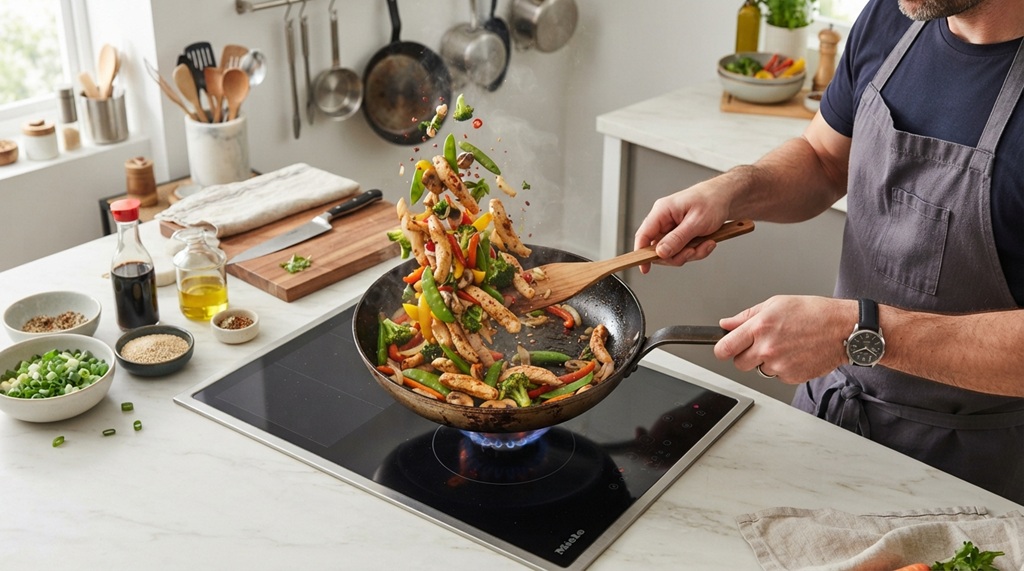
Heat oil in a pan, then add any vegetables and protein you have on hand. Stir often for five to seven minutes, and finish with soy sauce or a stir-fry sauce. This meal also uses up leftovers and cuts down on food waste.
The Time-Saving Power of Strategic Batch Cooking
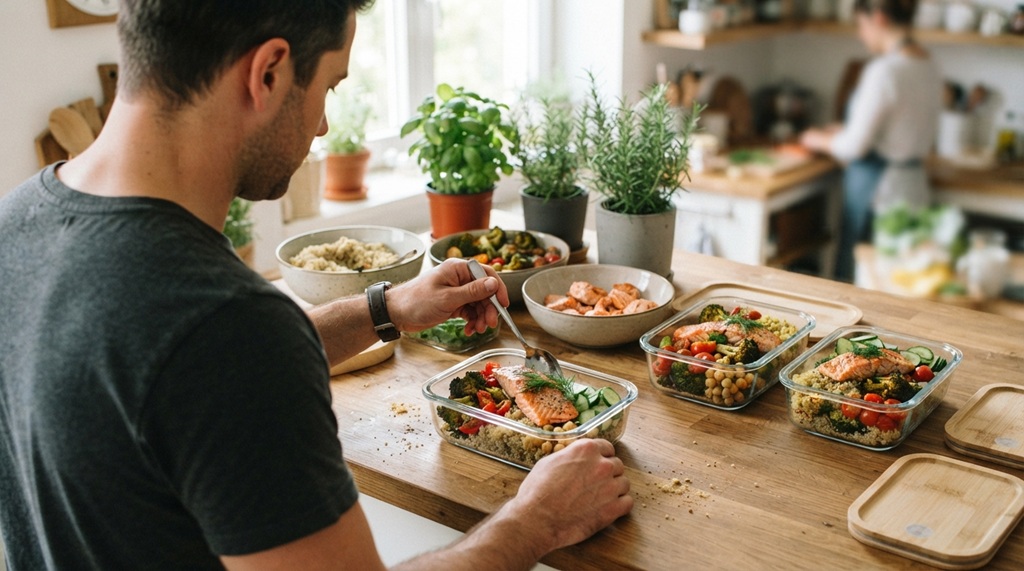
Batch cooking—preparing core meal components in a single session—is widely considered by culinary and meal-planning experts to be the ultimate strategy for reclaiming hours during a hectic week. By dedicating just sixty minutes on a weekend to cook versatile staples like rice, lean proteins, and roasted vegetables, you construct a high-yield foundation that allows you to mix and match fresh meals effortlessly every day. Beyond saving time, this single habit eliminates daily decision fatigue, reduces food waste, and dramatically cuts down on expensive takeout orders; however, true efficiency in the kitchen requires structure outside of it, manage time effectively and stop procrastinating is essential to turning batch cooking into an effortless, lifelong routine.
Plan Your Week in Ten Minutes
A short weekly plan removes the daily stress of deciding what to eat. You don’t need a detailed spreadsheet for this. Rather, you need a rough idea of five dinners before the week starts.
Try this simple approach:
- Pick five meals from your rotation, or from the list above.
- Write a short shopping list based on those meals.
- Shop once, ideally on the same day each week.
- Prep one or two parts in advance, like cooked rice or chopped vegetables.
This step alone removes the “what should I cook” question every night. Often, that question is the real reason people skip cooking and order takeout instead.
Save Time With Smart Shortcuts
Some shortcuts save real time without giving up much quality. These aren’t cheats, either. Rather, they’re tools that trained cooks use too.
- Pre-minced garlic and ginger cut prep time without much flavor loss.
- Rotisserie chicken works in tacos, salads, and grain bowls with zero cooking required.
- Frozen stir-fry vegetable blends skip the chopping entirely.
- One-pot or one-pan recipes cut cleanup time by a lot.
Here’s a genuinely useful trick most articles skip: cook your starch (rice, pasta, or potatoes) in a bigger batch than you need, then freeze the extra in single portions. Later, frozen rice reheats in two minutes and tastes almost the same as fresh. This turns your slowest cooking step into a five-minute microwave task on busy nights.
Frequently Asked Questions
How do I start cooking if I’ve never cooked before?
Start with one simple recipe, like the one-pan eggs and vegetables meal above. Then master it fully before adding a second recipe. Building confidence with one dish beats trying to learn ten recipes at once.
How much time does basic meal prep actually take?
Most basic meals in this guide take 15 to 25 minutes from start to finish. Meanwhile, batch cooking once a week takes about an hour but saves time on every other day.
What if I don’t have time to grocery shop every week?
Rely on pantry staples and frozen goods instead, since they last much longer than fresh produce. That way, a single shopping trip every two weeks can cover ten or more meals if you stock the right staples.
Is it cheaper to cook than to order food?
Yes, in almost every case. Typically, a home-cooked meal costs a fraction of a similar takeout order, even when you use better ingredients.
How do I stay motivated to keep cooking?
Focus on convenience, not perfection. Also, track how much time and money you save each week, since seeing the results tends to build the habit faster than willpower alone.
Final Thoughts
Cooking basic meals doesn’t require extra time you don’t have. Instead, it takes a short list of tools, a handful of go-to recipes, and a simple weekly routine. Start with one meal from this guide, then build from there. Within a few weeks, cooking will feel less like a chore and more like second nature.

Leave a Reply