

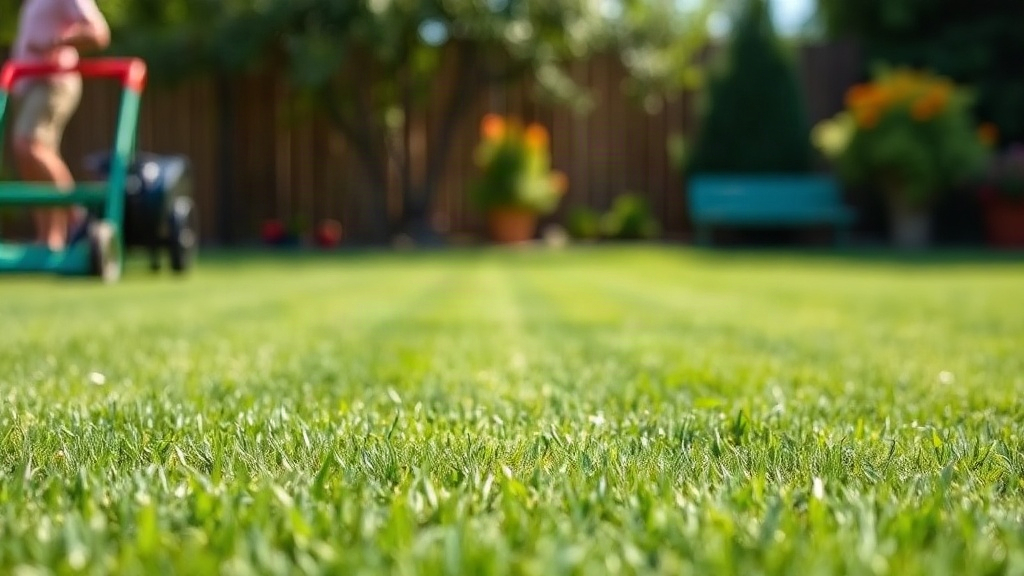
The grass looks fine in June, then August arrives and half the lawn turns straw-colored overnight. That shift is predictable, and summer lawn care tips to beat it come down to a few deliberate choices rather than luck. Heat and drought push cool-season grasses into dormancy and stress warm-season grasses at the root zone, where damage happens quietly. What you do before and during a dry spell determines whether the lawn recovers in weeks or needs a full renovation, and knowing //boyerslawncare.com/ has organized guidance helps you plan those steps.
Quick answer: Raise your mowing height, water deeply and infrequently in the early morning, and keep off the grass during peak heat. Most lawns survive drought by going dormant, so aim to protect the crowns and roots rather than force green growth. Avoid fertilizer, heavy traffic, and shallow daily watering until temperatures moderate.
What is summer lawn care tips to beat?
The phrase describes a set of practices timed to the hottest, driest part of the year, when grass faces two pressures at once: high air and soil temperatures and a shortage of water. Summer care differs from spring and fall care because growth patterns shift. Cool-season grasses such as tall fescue and Kentucky bluegrass slow down and may go dormant, while warm-season grasses like Bermuda and Zoysia grow actively and need different handling.
The goal is not to keep the lawn lush through a heat wave. It is to keep the root system and growing points alive until conditions improve. Three principles guide nearly every recommendation below:
- Protect the crown. The crown is the growth point at the base of each grass plant. If it dries out completely, the plant dies regardless of later watering.
- Encourage deep roots. Roots follow water downward. Deep, infrequent watering trains roots to grow deeper, which makes the lawn more drought-tolerant over time.
- Reduce stress. Mowing too short, fertilizing in heat, and walking on dry grass all add stress the plant cannot afford.
Timing matters as much as technique. Watering at midday loses a large share to evaporation, and evening watering leaves blades wet overnight, which invites disease. Early morning solves both problems.
A healthy lawn can often survive several weeks of drought by going dormant. The grass turns brown and stops growing above ground, but the crowns stay alive if the soil retains some moisture. The mistake is assuming dormancy means death and flooding the lawn to force it green again.
Brown grass in summer is often dormant, not dead. Check the crowns near the soil line; if they are firm and slightly green, the lawn can recover once rain returns.
Takeaway: Summer care is about survival and root health, not rapid growth, so match every action to that goal.
Why summer lawn care tips to beat matters
The cost of getting summer wrong compounds. A lawn that enters fall weakened has less reserve to recover, thinner turf that lets weeds establish, and bare patches that erode or turn to mud. Rebuilding a damaged lawn takes seed, water, and weeks of patience, which is far more effort than protecting it in the first place.
Water is the other factor. Overwatering wastes a resource and can harm the lawn by encouraging shallow roots and fungal disease. Underwatering at the wrong moment kills crowns that a single deep soaking could have saved. Getting the balance right saves money on water bills and on replacement sod or seed.
There is also a timing argument. Most serious lawn problems show up in late summer: crabgrass spreading into thin spots, disease patches in humid weather, and insect damage that went unnoticed. Careful summer management keeps turf dense enough to crowd out weeds before they seed. The preventive work you do in July prevents the repair work you would otherwise do in September.
The long-term soil effect
Repeated shallow watering teaches roots to stay near the surface, where soil dries fastest. Repeated deep watering builds a deeper root system that carries the lawn through the next dry spell. That difference accumulates year over year, which is why the habits you set now shape how resilient the lawn becomes.
Managing these cycles well is part of lawn maintenance by season, since summer decisions set up fall recovery.
Warm-season grasses usually green up quickly after drought. Cool-season grasses may take longer and may need overseeding in fall if damage was severe.
Takeaway: Summer management protects both the lawn and your budget, and its effects carry into the following season.
Best practices
The core practices are straightforward, but the details separate a surviving lawn from a struggling one.
Mow high and mow less often. Set the mower deck to the tallest recommended height for your grass type, typically around 3 to 4 inches for cool-season grasses. Taller blades shade the soil, reduce evaporation, and encourage deeper roots. Raise the deck gradually; cutting off more than one-third of the blade at once shocks the plant. During dormancy, mow only when growth warrants it.
Water deeply and infrequently. Apply about 1 inch of water per week, including rainfall, in one or two sessions rather than several light sprinklings. Water in the early morning so blades dry during the day. If the lawn is fully dormant, a light soaking every few weeks can keep crowns alive without forcing growth.
Keep fertilizer off the schedule. Nitrogen pushes tender new growth that demands water and scorches in heat. Save feeding for early fall, when temperatures drop and the lawn can use nutrients efficiently.
Leave clippings on the lawn. They return moisture and nutrients to the soil and cost nothing. Bagging removes both.
Stay off the grass at peak heat. Foot traffic and parked equipment compact dry soil and crush brittle blades. Move paths and play areas to shaded or hard surfaces during a heat wave.
Watch for pests and disease. Dry, drought-stressed turf attracts chinch bugs and grubs, and humid nights invite fungal patches. Check the lawn weekly and act early rather than after damage spreads.
Takeaway: Mow high, water deep and early, skip summer fertilizer, and protect the turf from traffic and pests.
Common mistakes to avoid
Most summer lawn failures trace back to a handful of avoidable errors.
- Watering a little every day. Shallow watering wets only the top inch of soil and trains roots upward, leaving the lawn more vulnerable to heat.
- Cutting the lawn too short. Scalping exposes soil to sun and dries it quickly. It also weakens the plant just when it needs reserves.
- Fertilizing in the heat. High-nitrogen fertilizer in summer fuels growth the plant cannot support and can burn stressed turf.
- Watering at midday or in the evening. Midday watering wastes water to evaporation; evening watering keeps blades wet and encourages disease.
- Walking on a dormant lawn. Dormant grass does not spring back. Repeated traffic crushes crowns and creates bare patches.
- Assuming brown means dead. Homeowners sometimes rip out a lawn that would have recovered. Test the crowns before deciding.
- Ignoring the soil. Compacted soil sheds water instead of absorbing it. Aerating in the right season helps water reach the roots.
Weed killers can damage turf that is already stressed by heat and drought. Wait for cooler weather and active growth.
Takeaway: Avoid shallow watering, scalping, summer feeding, and traffic on stressed turf; each one turns a recoverable lawn into a repair job.
FAQ
How often should I water my lawn in a heat wave?
Water deeply about once or twice a week, delivering roughly 1 inch per session including rainfall. Water in the early morning. If the lawn is dormant, a light soaking every two to three weeks is often enough to keep crowns alive.
Can a brown lawn come back after a drought?
Usually yes, if the crowns are still alive. Check near the soil line: firm, slightly green crowns signal dormancy and likely recovery. Crumbly, brown crowns mean the plant has died and the area needs reseeding or sod.
Should I mow a drought-stressed lawn?
Mow only when growth requires it, keep the deck high, and avoid mowing during the hottest part of the day. Sharpen the blade so it cuts cleanly rather than tearing stressed grass.
Is it worth fertilizing in summer?
Generally no. Save nitrogen for early fall, when cooler temperatures let the lawn use it without forcing tender growth that heat will damage.
How do I know if I am overwatering?
Soggy soil, standing water, and fungal patches signal overwatering. Deep, infrequent sessions are safer than daily light sprinkling, because they wet the root zone without keeping the surface constantly damp.
Conclusion
Surviving summer comes down to a few disciplined habits. Mow high, water deeply and early, skip fertilizer, and keep traffic off stressed turf. Protect the crowns, and most lawns will recover once temperatures ease. Start with one change this week, such as measuring your sprinkler output or raising the mower deck, then build the rest into your routine. A lawn cared for this way enters fall ready to recover rather than needing a rescue.

Leave a Reply