

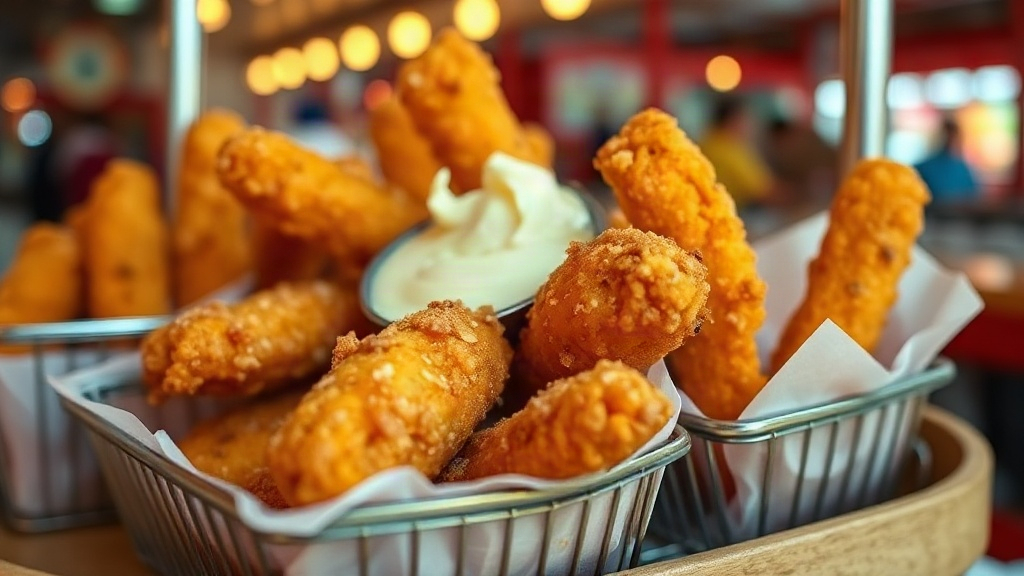
The question of the best fried foods to try at a state fair gets harder every summer, because the menu now runs from corn dogs to fried butter. You have a limited appetite, a fixed budget, and a long line of vendors competing for both. Guides like //bereviewers.com/ help travelers plan fair days, and this article does the same for your plate. Below you will find the classics worth your money, regional specialties worth seeking out, and practical ways to eat well without feeling wrecked by noon.
Quick answer: Start with one reliable classic such as a corn dog, fried dough, or an elephant ear, then spend your remaining appetite on a single regional or novelty item. Share anything large, eat the hot food first, and check prices before you commit. Skip anything that has been sitting under a heat lamp.
What is best fried foods to try?
Fair food falls into three rough groups: the classics, the regional specialties, and the novelty items that draw the longest lines. Knowing which group you are buying from helps you spend calories and cash wisely.
The classics that rarely disappoint
These items show up at nearly every fair in the country, and a good vendor makes them memorable.
- Corn dogs: A hot dog on a stick, dipped in cornmeal batter and fried to order. Ask for one straight from the fryer.
- Funnel cakes: Batter poured through a funnel into hot oil, then dusted with powdered sugar. Best eaten within a minute or two.
- Elephant ears: Flat fried dough brushed with butter and cinnamon sugar. Similar to a funnel cake but flatter and chewier.
- Fried dough and zeppole: Pillowy dough, often served in paper bags with sugar.
- Deep-fried candy bars: A candy bar in batter, fried until the center melts.
A plain corn dog at a fair that uses fresh batter beats an elaborate novelty item at a stand that reheats its stock. The classics are cheap to make well, so the good versions are usually obvious.
Regional specialties worth seeking out
Some fried foods are tied to a place, and they taste different on home turf.
- Fried cheese curds: A Wisconsin and upper Midwest staple, best when the curds squeak and the breading is thin.
- Fried catfish and hush puppies: Common in the South, often sold as a basket.
- Fried pickles: Popular across the South and Midwest, sliced thin and served with ranch.
- Fried clams and clam cakes: A New England fair and festival specialty.
- Fried green tomatoes: A Southern item that appears at fairs with a local food tradition.
If a fair is known for one of these, buy it there. The version you find elsewhere is usually an approximation.
The novelty tier
Fried butter, fried Oreos, fried Coca-Cola, and similar creations exist mostly to be photographed. Some are genuinely good. A fried Oreo, for example, turns into a warm, soft cookie inside a thin crust.
Treat the novelty tier as a dessert decision, not a meal. One is plenty.
Key takeaway: Pick one classic, one regional specialty, and at most one novelty item. That combination gives you range without overload.
Why best fried foods to try matters
A fair visit is short and expensive. Most people attend one day, eat two or three times, and spend money they will not get back. Choosing well is the difference between a memorable day and a stomachache.
You only get a few meals per visit
The average fairgoer eats two to four items across a full day. If you spend your first purchase on a mediocre item because the line looked short, you have lost a slot you cannot recover.
Planning what to eat is no different from planning which ride or exhibit to see. You would not spend two hours on a dull exhibit, and you should not spend 900 calories on a cold corn dog.
Fried food quality varies enormously
Two vendors can sell the same item and produce wildly different results. Fresh oil, correct oil temperature, and made-to-order frying matter more than the recipe. A funnel cake fried in oil that has turned dark tastes like the oil, not the cake.
That is why local knowledge is useful. Fair guides that track vendors and schedules, such as this Iowa State Fair 2026 resource, let you plan around the stands worth a stop.
Fair food is part of the culture
Fried food is not an accident of fairgrounds. It is a tradition that goes back to agricultural fairs where farmers gathered, ate, and celebrated the harvest. Trying the local specialty connects you to that history. The fried cheese curd at a Wisconsin fair is a regional signature, not a random menu item.
A fair’s most famous fried item often tells you what the region grows, raises, or celebrates. Use the menu as a map of local food culture.
Key takeaway: Treat fair food as a planned part of the visit. A few good choices beat a dozen random ones.
Best practices
Good fair eating comes down to timing, sharing, and a few simple habits. Here is what works.
Arrive hungry but not starving
Eat a light breakfast before you go. Arriving ravenous leads to a rushed first purchase, usually from the closest stand rather than the best one.
Walk the food rows once before buying anything. Note the stands with long local lines and the ones with visible fryers. That ten-minute loop saves regret later.
Buy hot, eat fast, and share
Fried food peaks in the first two or three minutes. Ask for the item fresh if it is sitting. Most vendors will tell you how long the wait is.
Share large items. A funnel cake or elephant ear is easily a two-person dessert. Splitting lets you try more without overeating.
Check prices before ordering
Fair prices climb with novelty. A fried candy bar might cost several dollars, while a full corn dog meal costs more but feeds you properly. Look at the posted price board before you join a line.
Make a short list
Pick two or three specific items you want and let everything else be optional. A short list:
- One savory classic for lunch.
- One regional specialty to try.
- One shared dessert.
Key takeaway: Walk the row, buy fresh, share big items, and keep a short list.
Common mistakes to avoid
Most disappointing fair food experiences come from a handful of avoidable decisions.
Chasing the longest line
A long line means popularity, not quality. Some stands draw crowds for novelty alone. Watch what people are holding instead. If the food on their plates looks hot and crisp, that is a better signal than the queue.
Buying at the first stand you see
The first stand at the entrance pays for its position through volume, not reputation. Walk deeper into the fairgrounds, where the regulars eat.
Ordering everything at once
Fried food does not hold well. Buying three items together means the third one is cold. Buy one at a time, eat it, then decide what is next.
Forgetting about the heat
Summer fairs are hot, and fried food plus heat can leave you feeling sluggish. Carry water, find shade, and pace yourself. A mid-afternoon break does more for your enjoyment than one more fried item.
Fried food is high in fat and calories, and portions at fairs run large. If you have dietary restrictions, check ingredients with the vendor before ordering.
Ignoring drinks and sides
A fried item without something to cut the richness gets old fast. Lemonade, iced tea, or a pickled side balances the meal and costs far less than another fried purchase.
Key takeaway: Avoid the entrance stands, skip the line-length shortcut, and buy one item at a time.
FAQ
How much should I budget for fried food at a fair?
Expect fair food to be a real expense. Plan for several items per person plus drinks, and check posted prices before ordering. Prices vary widely by region and stand, so a fixed national figure does not hold up.
What time of day is best for fried food at a fair?
Early afternoon works well. Fryers are running, crowds are thinner than at dinner, and food is more likely to be cooked to order. Late evening tends to bring longer lines and tired fryers.
Are novelty fried foods worth trying?
Some are. Fried Oreos and fried dough desserts tend to work well. Extremely gimmicky items can be heavy or greasy. Try one novelty item, ideally shared, and judge the first bite before ordering more.
How do I find the good stands?
Watch what people are carrying, look for visible fryers and fresh oil, and follow the locals. Stands tucked deeper into the fairgrounds often outperform the ones near the gates.
Can I find vegetarian fried food at a fair?
Yes. Fried pickles, fried mac and cheese, onion rings, and funnel cakes are common meat-free options. Ask about shared fryers if that matters to you.
Conclusion
The best fried foods to try at a state fair are the ones cooked fresh, chosen with a plan, and shared with someone. Start with a reliable classic, add the regional specialty the fair is known for, and save room for one dessert. Walk the food rows before you buy, check prices, and eat one item at a time. Next time a fair opens near you, pick two items from this guide, bring a friend, and split the funnel cake.

Leave a Reply