

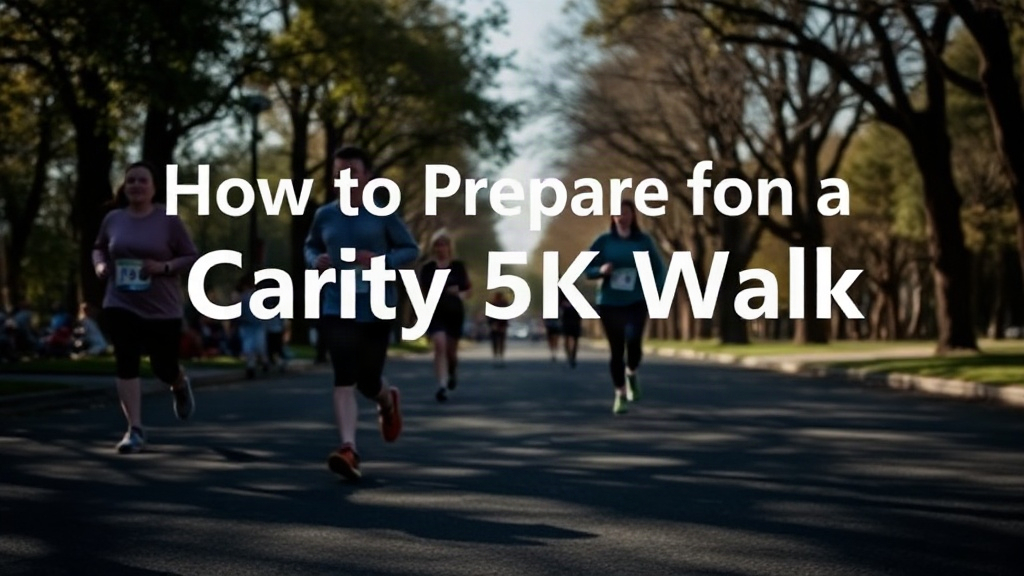
Walking 3.1 miles sounds simple until you add a start time, fundraising nerves, and a crowd of strangers moving at different paces. If you have ever wondered how to prepare for a charity 5K walk without overtraining or overspending, the answer is a short, steady plan. You need a few weeks of regular walking, shoes that fit well, and a simple routine for event morning. Many walkers also pick up ideas from community writing like the Miami Signature Designs blog before they commit to a plan. This guide covers training, gear, and race-day details in plain language.
Quick answer: Start walking three to four times a week about four to six weeks before the event, and build up to at least 3.5 miles per session. Wear broken-in walking shoes, light moisture-wicking clothing, and carry water. On event day, arrive early, start slow, and finish with a short cool-down walk.
What is prepare for a charity 5K walk?
Preparing for a charity 5K walk means getting your body, gear, and schedule ready to complete 3.1 miles comfortably on a set date. It differs from training for a race where speed matters. The goal is steady movement, a happy finish, and support for the cause. A 5K suits most fitness levels because walkers can set their own pace and rest when needed.
Charity events often add features that change the plan. Some routes start early, some include a festival afterward, and some ask you to reach a fundraising target before event day. Your preparation should cover three areas:
- Training: building weekly walking distance so 3.1 miles feels easy.
- Gear: shoes, clothing, hydration, and small extras that prevent blisters and chafing.
- Logistics: registration, directions, parking, arrival time, and fundraising.
Think of the event as a long walk with friends, not a race. That mindset lowers stress and helps you enjoy the cause you are supporting.
How long does a 5K walk usually take?
Most casual walkers finish a 5K in 45 to 75 minutes, depending on pace. A brisk walk near 3.5 miles per hour lands closer to 55 minutes. A relaxed stroll with a group can stretch to 80 minutes. Charity walks rarely enforce a strict cut-off, though some courses close after a set time. Check the event page so you know what pace you need.
What fitness level do you actually need?
You need enough endurance to stay on your feet for about an hour. If you can walk two miles without feeling worn out, you are close to ready. People brand new to exercise should begin with 15- to 20-minute walks and add a few minutes each week. Anyone with heart conditions, joint problems, or recent injuries should talk to a doctor before starting.
Takeaway: treat the 5K as a comfortable endurance event, not a competition, and build your plan around walking time rather than speed.
Why prepare for a charity 5k walk matters

A little preparation changes the whole day. Walkers who train show up relaxed, avoid blisters, and finish with energy to enjoy the post-event gathering. Walkers who skip it often deal with sore feet, chafing, and exhaustion, which drains the fun from a cause they care about.
Preparation also protects your role in the event. Charity walks depend on participants who show up ready and raise money. If you are limping at mile two or late because you could not find parking, you enjoy less and contribute less. A calm, prepared walker is also a better fundraiser, because you can focus on outreach instead of worrying about your feet.
Physical preparation lowers injury risk. Sudden long walks on unaccustomed feet are a common cause of blisters and sore knees. Building distance over several weeks lets your muscles and skin adapt. Your shoes also need time to mold to your feet before a long outing.
There is a scheduling side too. Events often start between 7 and 9 a.m., which means an early alarm, travel time, and a warm-up window. Knowing your route and arrival plan removes last-minute panic. Fundraising deadlines add another layer, so map those out early.
A ready walker raises more, finishes happier, and encourages others to join next year. Your training is part of what you give to the cause.
Takeaway: training and planning make the event safer and more enjoyable, and they help you show up as a stronger supporter of the charity.
Best practices
Start with a four- to six-week plan built around three or four walks per week. Keep two walks short (20 to 30 minutes) and make one walk longer each week. Bump the long walk by about half a mile weekly until you reach 3.5 miles. That leaves a small buffer above the 5K distance, so event day feels comfortable.
Build a simple weekly schedule
A sample week looks like this:
- Monday: 30-minute easy walk.
- Wednesday: 20-minute walk at a brisk pace.
- Saturday: long walk, starting at 2 miles and adding distance weekly.
- Optional Sunday: 15-minute easy stroll to loosen up.
Rest days matter. Muscles recover and adapt between sessions, so do not stack long walks back to back.
Choose the right shoes and clothing
Visit a shoe store and get fitted if you can. Walking shoes should leave a thumb’s width of space at the toe and feel snug at the heel. Break new shoes in over at least two weeks with short walks before a long one. Choose moisture-wicking socks over cotton, which holds sweat and causes blisters.
Clothing should be light and loose. Synthetic or wool blends dry faster than cotton. Dress in layers if the morning will be cool, and bring a light rain jacket if the forecast is uncertain. Avoid brand-new clothing on event day, since seams can rub.
Practice hydration and pacing
Drink water before, during, and after long walks. Carry a small bottle or plan a route past a drinking fountain. Practice the pace you expect to keep at the event and learn how your body feels at mile two. If you plan to walk with a team, do one practice walk together so you agree on pace.
The St. Jude Walk Miami shows how a charity walk blends fundraising with community spirit, and it is a useful example of how event-day logistics shape your plan. Check your own event page for start times, route maps, and what to bring.
Takeaway: consistent short walks, well-fitted shoes, and a practiced pace matter more than any single long training session.
Common mistakes to avoid
The most frequent mistake is doing too much too soon. New walkers sometimes try a full 5K on their first outing, then deal with sore shins or blisters for a week. Build gradually and trust the weekly increases. Your body adapts to steady effort, not sudden surges.
Wearing brand-new shoes on event day is another classic error. Even good shoes need break-in time. Buy early, walk in them often, and save the shiny pair for after the event.
Skipping hydration and food deserves attention too. Walking for an hour burns energy, and a light breakfast helps. Eat something simple like toast or a banana about 90 minutes before the start. Carry water, and drink before you feel thirsty.
Other errors to watch for:
- Ignoring the weather. A hot morning changes your fluid needs, and rain changes your clothing choices.
- Overdressing. Extra layers you shed become items to carry.
- Waiting until the last minute to register or fundraise. Deadlines sneak up.
- Starting too fast. Excitement pushes pace early, and you fade at mile two. Start slow and settle in.
On hot days, walk in the early morning, wear a hat, and drink water regularly. Stop and rest if you feel dizzy or nauseated.
Takeaway: avoid sudden distance jumps, untested shoes, and last-minute planning, because each one turns a fun walk into an uncomfortable one.
FAQ
How far ahead should I start training for a charity 5K walk?
Four to six weeks works for most people who can already walk a mile or two. Total beginners may want eight weeks to build up slowly. Start earlier if you have not exercised recently.
Do I need special gear, or can I wear regular sneakers?
Regular sneakers work if they fit well and are broken in. Walking or running shoes with good cushioning reduce fatigue over 3.1 miles. Avoid new shoes and worn-out soles.
What should I bring on event day?
Bring your registration confirmation, water, a light layer, sunscreen, and any fundraising materials. A small bag for keys and phone helps. Check the event page for rules on bags and strollers.
Is it okay to walk slowly or take breaks?
Yes. Charity walks are designed for all paces. Short breaks at water stations are normal. Most events keep the course open long enough for relaxed walkers.
How can I raise money while training?
Share your fundraising page during training walks and post updates on social media. Ask a few friends to sponsor each mile. Small asks made early add up.
Conclusion
A charity 5K walk rewards simple preparation. Train three or four times a week for a month or more, build up to a distance slightly beyond 3.1 miles, and break in your shoes well before event day. Practice your pace, plan your water and food, and confirm the event schedule so morning goes smoothly. Next, open your event page, register or confirm your spot, and put your first training walk on the calendar for this week. That single step sets everything else in motion.

Leave a Reply