

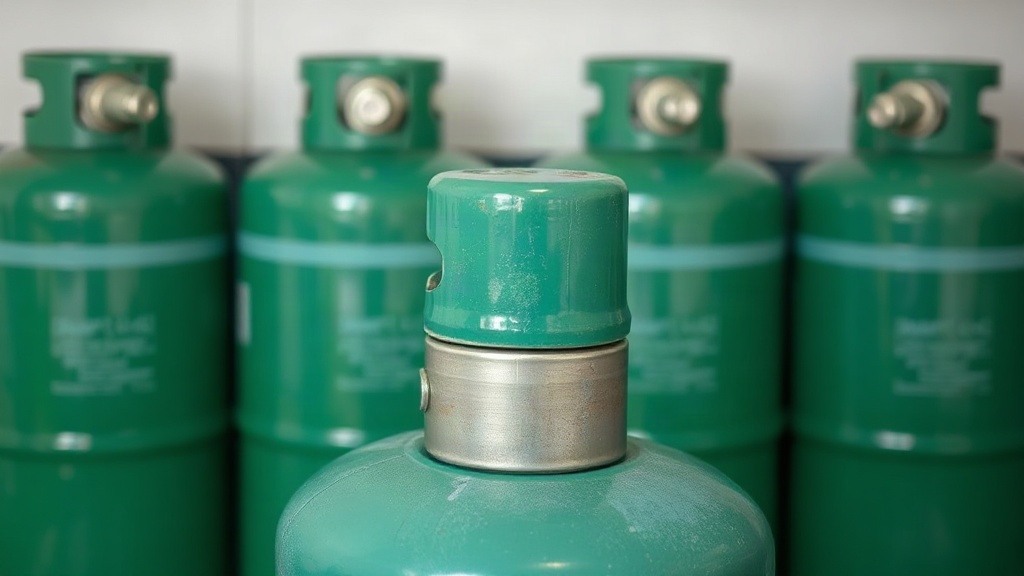
Propane cylinder safety starts with one simple habit: treat every tank as if it is full, even when the gauge says otherwise. A grill tank or a spare cylinder in the garage holds a surprising amount of energy, and small mistakes in storage, transport or leak checks cause most home propane incidents. This guide walks through what to check, where to keep cylinders and how to spot trouble early, with practical notes you can use whether you refill at a hardware store or read guidance on //bestusatools.com/ before buying equipment.
Quick answer: Store propane cylinders upright and outdoors, never in a basement or a hot car, and keep them away from flames, pilot lights and stored fuels. Transport them secured and upright with the valve closed, and check for leaks with soapy water rather than a lighter. If you smell gas, shut the valve, move people away and call for help before you touch anything electrical.
What is propane cylinder safety?
Propane cylinder safety is the set of habits that keep a pressurized tank from leaking, overheating or getting damaged. A typical 20-pound grill cylinder holds about 4.7 gallons of liquid propane under pressure. A full cylinder weighs roughly 37 pounds, and the gas inside expands with heat, which is why every rule below centers on pressure and ignition sources.
The tank itself is built to handle normal use. Its valve, hoses, regulators and connections are where most failures happen. A cylinder dropped on a driveway can bend the valve guard or damage the valve seat. A brittle hose left in the sun can crack. A regulator clogged with debris can deliver uneven pressure. Safety work focuses on these weak points.
Three physical properties drive most of the advice:
- Propane is heavier than air. A leak sinks toward the floor, a crawl space or a basement stairwell instead of rising away.
- It has a narrow flammable range, but the smell is added so people can detect it. Propane itself is odorless, so the rotten-egg scent is a warning additive, not a natural property.
- Liquid propane is very cold when it escapes. Contact with a spray or a frozen valve can cause cold burns.
A cylinder used correctly stays upright, has a closed valve, sits on a stable surface and uses hoses and regulators rated for propane. Those four conditions cover most of what “safe” means in daily practice.
An upright cylinder keeps liquid at the bottom and vapor at the top, where the valve draws it. Lay a tank on its side and liquid can reach the valve, which can flood the regulator and cause flare-ups or damage.
Takeaway: Safety centers on the valve, hose and regulator, not the steel shell, so inspect those parts every time you handle a cylinder.
Why propane cylinder safety matters
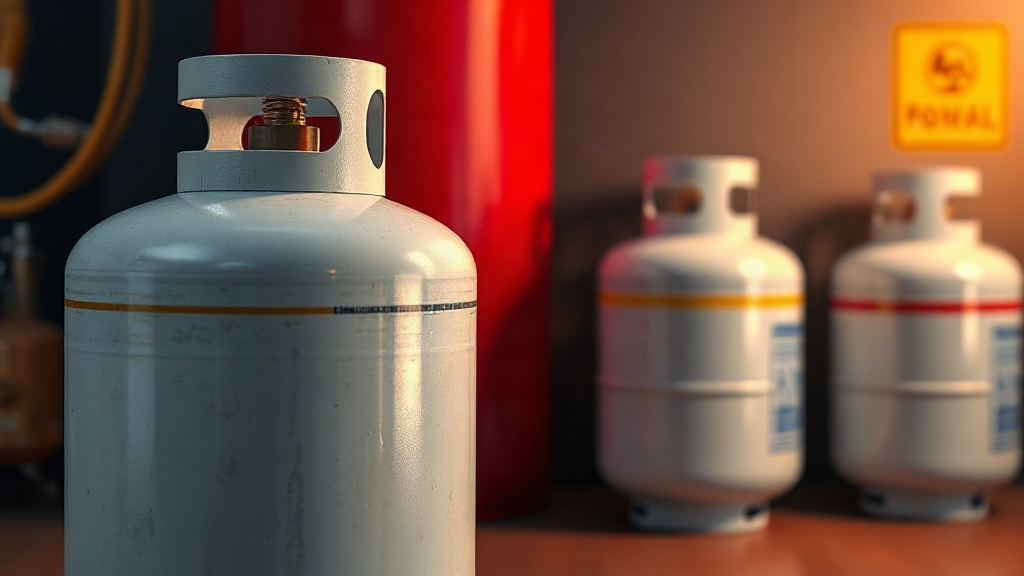
A propane leak in a garage or near a water heater can turn a small spark into a fire. Water heaters, furnaces and even a garage door opener can produce an ignition source. Because propane collects low, a leak in a basement or a below-grade room has almost nowhere to go.
The health and property risks are concrete:
- Fire and explosion risk near any pilot light, electrical device or open flame.
- Oxygen displacement in tight spaces, which can make people dizzy or cause fainting before anyone notices the smell.
- Cold burns from escaping liquid propane during a rapid release.
- Property damage that spreads quickly because gas pools rather than drifting away.
Renters and homeowners also face legal and insurance questions after an incident. Many policies expect reasonable care around stored fuels, and some communities limit how much propane can be stored indoors or on a balcony. A leak that damages a neighboring unit can lead to liability claims.
Cost matters too. A leaky hose or a bad seal wastes gas over weeks, and a damaged valve often means a cylinder cannot be legally refilled. Inspecting a hose takes a minute; replacing a ruined tank or repairing fire damage takes far longer. If a specific appliance is acting up, knowing how to troubleshoot Mr Heater 45000 BTU problems can separate a simple fix from a safety issue.
A small leak may not reach your nose, especially outdoors or in a breezy garage. Use soapy water on connections to confirm a seal instead of relying on the odor additive.
Takeaway: Propane safety protects people, property and your wallet, and the risks are concentrated in enclosed spaces where gas can gather.
Best practices
Store cylinders outdoors and upright
Keep cylinders outdoors in a well-ventilated area, on a level, non-combustible surface such as concrete. Store them upright with the valve closed and the protective cap on spare tanks. Keep them away from heat sources, including grills, generators and space heaters, and away from basement stairs, crawl spaces and garages attached to the house when local rules allow.
Transport with care
A moving vehicle is where many tanks get damaged. Keep the cylinder upright and secured so it cannot roll or tip. Transport it with the valve closed and the cap on, ideally with the windows open, and take it out of the car as soon as you arrive. Never leave a cylinder in a closed vehicle on a warm day.
Inspect hoses, regulators and connections
Look at the hose for cracks, stiffness or chew marks. Check that the regulator is not clogged and that the O-ring inside the cylinder valve is not cut or missing. A worn O-ring is a common cause of leaks at the connection point. Replace damaged parts with propane-rated components, never with general-purpose rubber hose.
Check for leaks the right way
Mix dish soap and water in a spray bottle and apply it to the valve, regulator and hose connections. Open the valve slowly with no appliance running. Bubbles that grow mean a leak. Close the valve and fix or replace the connection before using the tank.
| Check | Where to look | What it tells you |
|---|---|---|
| Soapy-water test | Valve, regulator, hose fittings | Growing bubbles mean gas is escaping |
| Hose condition | Length of the hose | Cracks or stiffness mean replacement |
| Valve O-ring | Inside the cylinder valve | A cut ring leaks at the connection |
| Cap and guard | Top of the cylinder | Damage invites valve problems |
Takeaway: Outdoor storage, secure transport and a soapy-water test on every connection cover the majority of real-world risks.
Common mistakes to avoid
Most incidents trace back to a small number of habits. These are the ones worth fixing first.
- Storing a tank indoors or in a hot car. A garage attached to a house, a shed near a furnace or a car trunk on a summer day all trap gas or expose the cylinder to heat.
- Laying a cylinder on its side, which can send liquid propane into the regulator.
- Testing for leaks with a lighter. Never use a flame to check for gas; use soapy water.
- Skipping the O-ring check. A missing or cut O-ring leaks at the valve connection and is easy to overlook.
- Refilling a damaged cylinder. Dented tanks, damaged valve guards or expired cylinders should be exchanged or recycled, not filled.
- Storing propane next to gasoline, paint or other fuels, which multiplies the fire risk.
- Leaving the valve open on a stored cylinder, even slightly, which can vent gas over time.
A cylinder filled beyond its proper capacity has less room for expansion. A relief valve may vent gas to prevent a rupture, so keep cylinders out of direct sun and never warm a tank with a flame or heater.
A simple routine helps: check the hose and O-ring before each season, keep spare tanks outside with caps on, and confirm local rules before storing anything indoors.
Takeaway: Avoiding a handful of common habits prevents most propane problems; the fix is routine inspection, not special equipment.
FAQ
How often should I check my propane cylinder for leaks?
Check the connections at the start of each season and any time you reconnect a tank. Inspect the hose and O-ring during those same checks. If you smell gas at any point, stop and test immediately rather than waiting.
Can I store a propane cylinder in my garage?
Only if local rules allow it and the space is well ventilated, and never near a furnace, water heater or other ignition source. Many homes should keep cylinders outdoors instead. A basement or crawl space is never appropriate because propane settles low.
What should I do if I smell gas?
Close the valve if you can safely reach it, put out any flames and avoid switches or phones near the leak. Move people away and call your propane supplier or the fire department from a safe distance. Do not try to find the leak with a flame.
How do I know when a cylinder needs replacing?
Replace or exchange a cylinder with dents, deep rust, a damaged valve guard or a valve that will not close. Cylinders also have requalification dates; a supplier will not refill an expired tank, so check the collar stamp.
Is it safe to transport a propane cylinder in a car?
Keep it upright, secured and with the valve closed and capped. Open a window, and remove the tank as soon as you arrive. Never leave it in a closed vehicle, especially in warm weather, because heat raises pressure inside.
Conclusion
Propane cylinder safety comes down to a few reliable habits: store tanks upright and outdoors, transport them secured and capped, and test every connection with soapy water instead of a flame. Check the hose, regulator and O-ring regularly, and treat a damaged or expired cylinder as something to exchange, not refill. Start this week by inspecting the tank you already own, confirming where you store it and testing the connections before your next cookout or heating season.

Leave a Reply