

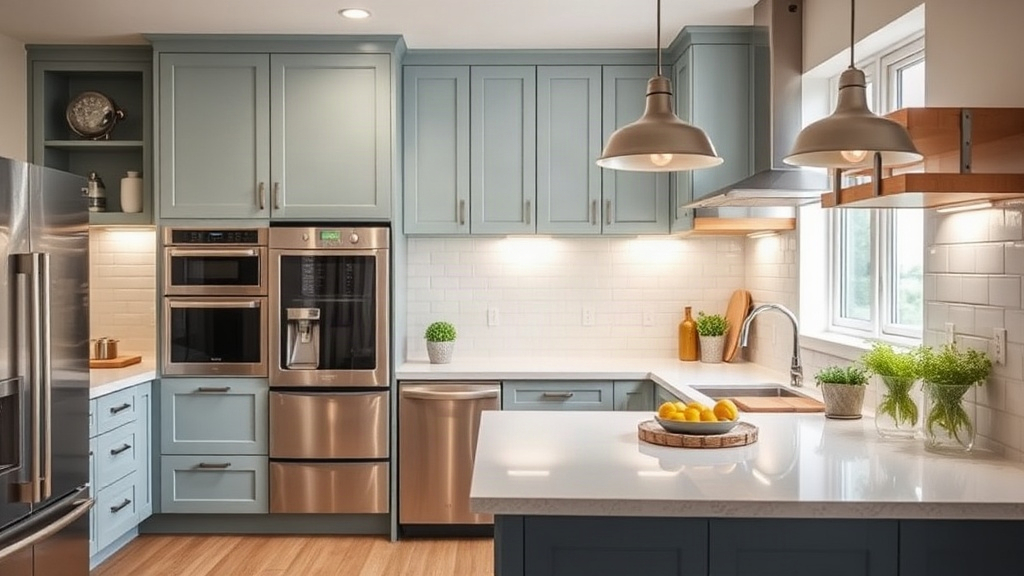
Kitchen refresh ideas work best when they focus on what buyers notice first, not on what costs the most. Sellers often ask whether a tired kitchen needs a full remodel before listing, and the honest answer is usually no. Buyers respond to a clean, bright, well-functioning space far more than to expensive finishes chosen for someone else’s taste. //newhouseproject.com/ covers this broader question of what truly moves a home’s value, and the kitchen sits near the top of that list. This guide walks through which refresh choices earn their cost back, which ones waste money, and how to time the work before your listing goes live.
Quick answer: Focus your budget on paint, cabinet hardware, lighting, a clean backsplash, and working appliances. These changes cost little, photograph well, and remove the objections buyers raise most often. Skip full cabinet replacement and high-end appliances unless the kitchen is genuinely out of date.
What is kitchen refresh ideas?
A kitchen refresh is a set of targeted changes that improve how a kitchen looks and works without changing its footprint or structure. You keep the existing cabinets, plumbing, and wiring. Instead, you address the surfaces and details that make the room feel dated, worn, or dark.
Think of it as cosmetic repair with a practical aim. A refresh might mean repainting cabinet doors, swapping dated brass handles for simple matte pulls, replacing a dim ceiling fixture, and regrouting tile. Each project is small. Together they change the first impression a buyer gets when they walk in.
This differs from a renovation in three important ways:
- Scope: no walls come down and no plumbing moves.
- Cost: most refreshes cost hundreds to a few thousand dollars, not tens of thousands.
- Time: many tasks finish in a weekend, and a whole refresh often wraps up in two to four weeks.
The goal is to make the kitchen look cared for. Buyers are quick to spot small negatives, such as a chipped countertop edge or a cabinet door that sticks. A refresh removes those signals of neglect. It also lets the room’s better features, like a window over the sink or a useful pantry, stand out.
There is a practical reason this approach suits sellers. When you list a house, you are not decorating for your own taste. You are presenting a space a stranger can imagine living in. Neutral choices help that happen. A dated but tidy kitchen reads as an opportunity. A dated and shabby kitchen reads as a problem, and buyers price problems into their offers.
Refreshes fall into a few recognizable categories. Visual fixes include paint, hardware, lighting, and backsplash. Functional fixes cover things like a dripping faucet, a broken drawer runner, or an exhaust fan that no longer works. Hygiene fixes, from deep-cleaning grout to replacing a stained caulk line, count too. All three matter. A bright, tidy kitchen with a leaking tap still feels unfinished.
A buyer may overlook an older countertop but rarely ignores a cabinet door hanging off its hinge. Function signals quality more than style does.
The takeaway is simple: a refresh targets what buyers see, touch, and try to use, rather than what a contractor can rebuild.
Why kitchen refresh ideas matters
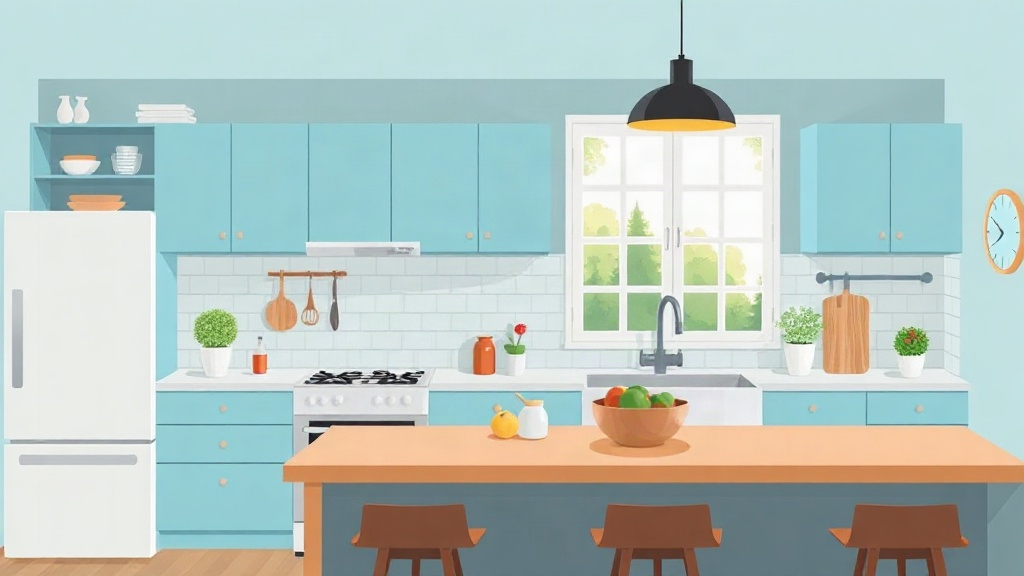
The kitchen is the room buyers inspect most closely. It is where families gather, where guests end up standing, and where a lot of daily activity happens. Agents and buyers both know this, so a weak kitchen can lower an offer even when the rest of the house is solid. A refresh addresses that risk directly.
Sellers also face a choice about where to spend. A full kitchen remodel is costly and slow, and it rarely returns every dollar at resale. You pay for the enjoyment of the new kitchen while you still live there, not just for a better sale. A refresh asks less money for many of the same visual gains.
There is a timing argument too. Most buyers start their search online, which means photos decide whether they book a viewing. Kitchens photograph poorly when they are dark or cluttered. Better lighting, cleaner surfaces, and a warmer paint tone can change how a listing photo reads. More viewers follow, and more viewers usually mean more offers.
A refresh also protects you during the sale process. Buyers hire inspectors, and inspectors note failed caulk, slow drains, and aging outlets. Fixing those items early removes negotiating chips from the buyer’s side. Small repairs made before listing often cost less than concessions made at the closing table.
Consider two sellers on the same street with similar houses. One lists with scuffed cabinets, a flickering light, and a chipped backsplash tile. The other paints, repairs, and replaces the fixture. The second house draws stronger interest, and the buyer who falls for it is less likely to ask for a price cut over small issues. The difference was modest spending, not a new kitchen.
A refresh puts money into the surfaces and functions buyers test first. That makes it efficient spending rather than decoration.
For sellers weighing a bigger investment, compare your options with a clear eye on upgrades that increase home value. A refresh is often the smarter first step.
Best practices
Start with a walkthrough from the front door to the kitchen, pretending you are a buyer. Note every detail that pulls your eye for the wrong reason. A crooked handle, a dark corner, a scuffed kickboard. That list becomes your project plan, ranked by visibility and cost.
Choose a neutral palette. Soft whites, warm grays, and light woods appeal to the widest group of buyers. Strong colors and bold patterns can be memorable in the wrong way, because buyers see repainting as work they will have to do.
Fix function before style. Make sure doors close, drawers slide, the tap stops dripping, and every light works. Buyers test these things during viewings, often without realizing it.
Comparison: repaint vs. reface vs. replace cabinets
| Option | Typical cost | Time | Best for |
|---|---|---|---|
| Repaint | Low | A weekend or two | Solid cabinets with dated color |
| Reface | Medium | One to two weeks | Good boxes, worn or damaged doors |
| Replace | High | Several weeks | Warped, broken, or poorly laid-out cabinets |
Notice the middle option. Refacing keeps the cabinet boxes and swaps the doors and veneer, which can look close to new for a fraction of replacement cost. Repainting is the cheapest path and works well when the boxes are sound.
Upgrade lighting deliberately. Replace dim ceiling fixtures with brighter ones, and add under-cabinet lighting if the wiring allows. A well-lit kitchen looks larger and cleaner in photos.
Keep hardware consistent. Choose one finish, such as brushed nickel or matte black, and use it on every drawer and door. Mixed finishes look accidental unless done with real design intent.
Address the backsplash. If the tile is dated but intact, a careful clean and fresh grout may be enough. If it is cracked or heavily patterned, replacing it with a simple subway or plain tile is inexpensive and photograph-friendly.
Limit the scope. Every extra task adds cost and delay. A small, finished refresh beats an ambitious one that stalls before listing day.
Handle paint, lighting, and function first. Save cosmetic flourishes for last, and only if the budget and timeline allow.
The takeaway: pick a short list of high-visibility fixes, finish them fully, and resist the urge to expand the project.
Common mistakes to avoid
The most frequent error is overspending. Sellers sometimes pour money into a kitchen that was already fine and then wait months to recover it. If your kitchen is dated but clean and functional, a light refresh may be all that’s needed.
Another mistake is choosing trends over neutrality. Bold tile, dramatic cabinet colors, and unusual fixtures can appeal to one buyer and repel several others. Buyers are buying a house, not your taste, so let them imagine their own style.
Sellers also skip the boring repairs. Slow drains, worn outlet covers, and loose handles signal neglect and invite inspection requests. Fix them before the listing goes live.
Poor timing is common too. Starting a refresh two weeks before listing often leaves paint drying while the photographer arrives. Begin early enough to finish, clean, and let any paint smells fade.
Finally, avoid doing the work without a plan for photos and showings. Clear the counters, remove personal clutter, and keep the space tidy for every viewing. A refreshed kitchen still looks bad in photos if it is crowded.
Some neighborhoods and condos restrict exterior vents, plumbing changes, or certain materials. Confirm requirements before work begins.
The takeaway: keep the refresh modest, neutral, and finished well before your first showing.
FAQ
How much should I spend on a kitchen refresh before selling?
Spend in proportion to the kitchen’s current condition. A tidy, functional kitchen may need only paint and cleaning. A dated one may justify new hardware, lighting, and a backsplash. Set a cap and stop there rather than chasing perfection.
Will a refresh really change my sale price?
It often improves how buyers perceive the home and how many view it. A cleaner, brighter kitchen removes objections and can reduce requests for price cuts. It is a way to protect your asking price rather than guarantee a higher one.
Should I replace appliances or just clean them?
Clean and repair first. If an appliance is broken or visibly mismatched, replacing it with a modest matching model can help. High-end appliances rarely return their cost in a typical resale.
How long does a kitchen refresh take?
Most refreshes finish within two to four weeks. Paint needs drying time, and tile work adds days. Start at least a month before listing so any delays don’t push your timeline.
Can I refresh a kitchen myself?
Painting, hardware swaps, and deep cleaning are good do-it-yourself tasks. Electrical work, plumbing repairs, and tile setting are better left to qualified tradespeople for safety and warranty reasons.
Conclusion
A kitchen refresh works because it targets what buyers actually notice: light, cleanliness, function, and a calm neutral look. You don’t need a new kitchen to sell well. You need one that looks cared for and asks nothing of the buyer on day one. Focus your budget on paint, hardware, lighting, small repairs, and a clean backsplash, then finish everything well before your first showing. Start this week by walking through your kitchen with a notepad and listing the five most visible problems. Fix those first.

Leave a Reply