

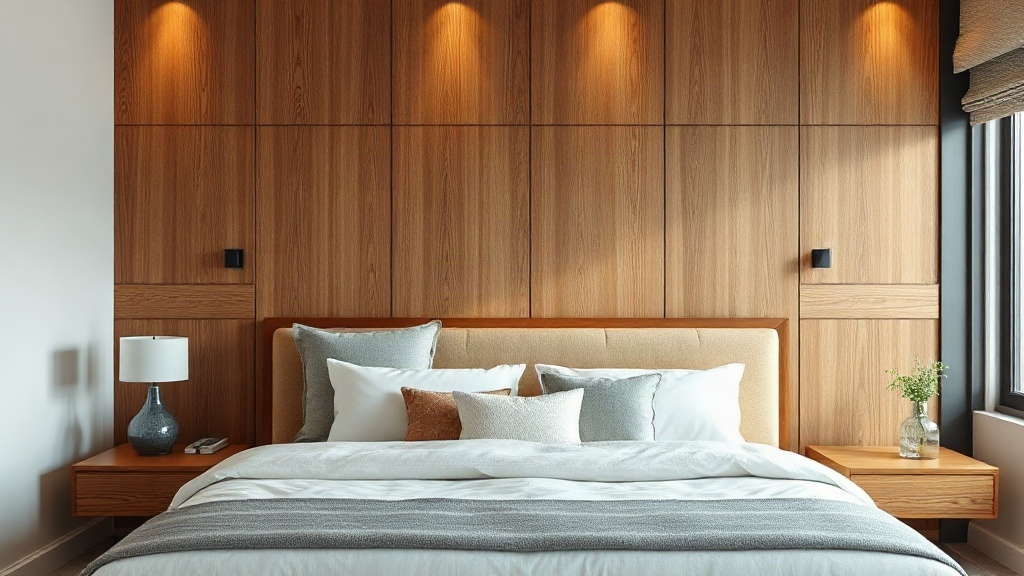
A bare wall can make even a well-furnished bedroom feel unfinished, so choosing from the many wall paneling styles to upgrade that space is a practical first step. The right treatment adds depth, softens sound, and hides the scuffs and nail holes that flat drywall collects over time. Resource hubs such as //homeplanidea.com/ collect room ideas that help you compare approaches before you buy materials. This guide explains the main styles, what each one costs in effort, and the mistakes that turn a weekend project into a month-long one.
Quick answer: Pick a style that matches your room’s architecture and your tolerance for upkeep. Board and batten, wainscoting, shiplap, beadboard, slat panels, and upholstered panels are the most common choices for bedrooms. Measure the wall, plan around outlets and trim, and budget for both materials and finishing time.
What is wall paneling styles to upgrade?
Wall paneling covers a wall with a decorative layer of wood, composite, fabric, or rigid panels. In a bedroom, it typically runs floor to ceiling or stops at chair-rail height. The goal is to change the look of a plain surface without rebuilding the room.
Styles differ in three ways: the material, the pattern, and how far up the wall the paneling goes. A full-height shiplap wall creates a rustic feel. A low wainscot adds formality while leaving most of the wall paintable. Your choice affects cost, installation difficulty, and how the room feels at night.
Here are the main options and what each one involves.
- Board and batten: Wide vertical boards with narrow strips covering the seams. It reads crisp and works well behind a bed.
- Wainscoting: Panels on the lower third or half of the wall, often with a chair rail on top. Traditional and forgiving of uneven walls.
- Shiplap: Horizontal boards with a small overlap or gap. Rustic and casual.
- Beadboard: Narrow vertical boards with a grooved line between each one. Common in cottages and coastal rooms.
- Slat panels: Thin vertical wood or composite slats with gaps. Modern and quick to install as ready-made panels.
- Upholstered panels: Fabric-covered padding fixed in a grid. It softens sound and adds warmth.
For a closer look at one popular option, the board and batten bedroom guide shows how the grid pattern works at different heights.
Paneling that stops at chair-rail height makes a ceiling feel higher. Full-height paneling makes a large room feel cozier but can crowd a small one.
Takeaway: Choose the pattern first, then confirm the material suits your budget and tools.
Why wall paneling styles to upgrade matters
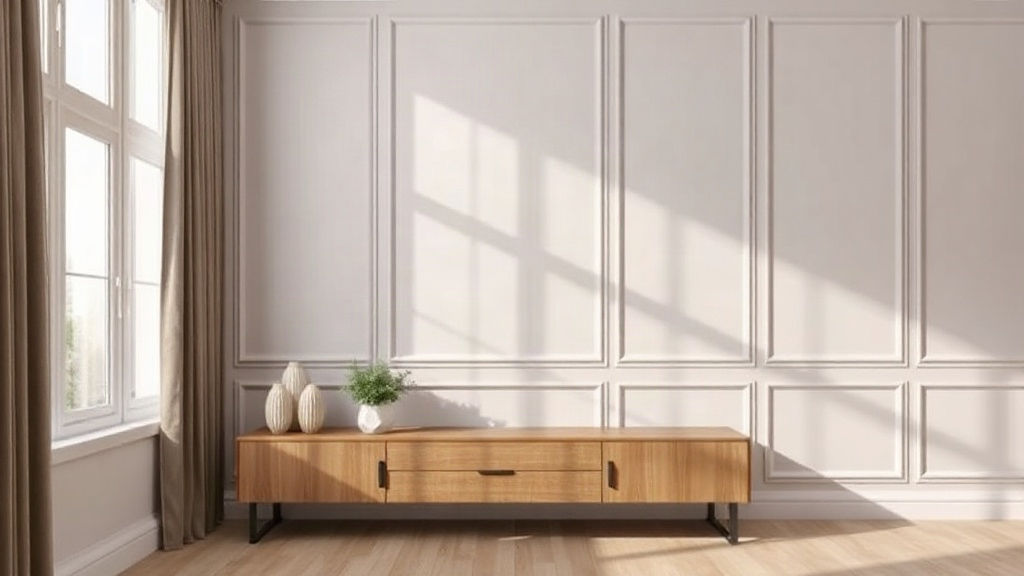
A plain bedroom has one visual surface: flat drywall. Paneling breaks that surface into light and shadow, which gives the eye something to read. This matters most behind the bed, where the headboard creates a natural focal point.
Practical benefits go beyond looks. Solid paneling adds a layer that can reduce echo in a room with hard floors. It also protects the wall where furniture, luggage, and elbows tend to hit. Paintable paneling lets you change the color later without removing anything.
Cost and effort vary widely, so compare before you commit.
Comparison: approximate effort and material profile by style
| Style | Installation effort | Material cost | Best for |
|---|---|---|---|
| Board and batten | Moderate | Low to moderate | Accent walls, defined grids |
| Wainscoting | Moderate | Moderate | Traditional rooms, lower walls |
| Shiplap | Low to moderate | Low | Rustic or farmhouse looks |
| Beadboard | Low to moderate | Low | Cottages, small rooms |
| Slat panels | Low | Moderate | Modern, quick installs |
| Upholstered panels | High | High | Quiet, soft bedrooms |
The table shows relative effort, not exact prices; lumber and panel costs shift by region and season. Notice that the easiest options are also the least structural. Slat panels and shiplap go up fast because they arrive as kits or simple boards.
Paneling hides outlets, switches, and vents. Map their positions before you buy, because moving an outlet is a job for an electrician.
Takeaway: Paneling improves both appearance and daily durability, but the ease of each style depends on the pattern and the wall behind it.
A bedroom is also the hardest-working room for resale impressions, and an accent wall photographed from the doorway often reads as intentional design rather than decoration. Paneling can also solve a specific problem cheaply: a wall with a hairline crack, a former window opening, or a patchy plaster finish looks new once a grid or slat pattern covers it, at far less than replastering and repainting the whole room. Factor in how the surface will age, too, since painted medium-density fiberboard dents more easily than solid pine but holds a crisper edge along seams.
Best practices
Start with a full measurement of the wall, including height, width, and the position of every outlet and switch. Buy 10 to 15 percent extra material for cuts and mistakes. Fewer trips to the store matter more than a perfectly tight estimate.
Plan the layout on paper before cutting. Decide whether the pattern starts from a corner or centers on the bed. Centering a board-and-batten grid on the headboard usually looks more deliberate than starting blind from one edge.
Prepare the wall properly. Fill holes, sand rough spots, and wipe off dust. Paneling follows the shape of what sits beneath it, so a wavy wall shows through thin boards. For older walls, thin furring strips can create a flat base.
Choose a finish before installation. Paint the boards and the wall behind them the same color if you want the gaps to recede. Use a contrasting color if you want the pattern to stand out. Semigloss or satin paint is easier to wipe down than flat.
Work top to bottom and check level every few boards. Small errors compound across a long wall. A laser level or a chalk line saves time and frustration.
Let wood and composite panels sit in the room for a few days before installing. Materials expand and contract with humidity, and installing them cold can leave gaps later.
Takeaway: Measure generously, plan the pattern, prepare the surface, and check level as you go.
Build a small sample board first. Paint or stain a spare offcut and hold it against the wall in both daylight and lamplight before committing to the full run. For adhesive installations, mark stud centers with painter’s tape and snap a vertical reference line so each panel lands square. Finally, label cut pieces by wall position with a pencil, which speeds reassembly if you finish the job across two weekends.
Common mistakes to avoid
The most frequent error is skipping wall preparation. Paneling installed over cracks, bumps, or old adhesive will telegraph every flaw. The cost of fixing it after the fact is far higher than an hour of sanding.
A second mistake is choosing a style that fights the room. Heavy dark paneling can shrink a small bedroom with one window. Intricate traditional molding can look out of place in a modern apartment. Match the pattern to the architecture rather than to a photo from a different kind of house.
People also underestimate the finishing work. Caulking, filling nail holes, and painting often take as long as installation. Plan for that time or the project stalls half-finished.
Other issues to watch:
- Forgetting the trim. Baseboards, crown molding, and window casings need to meet the paneling cleanly. Decide how those joints will look.
- Blocking airflow. Solid panels over vents or radiators reduce heating and cooling performance.
- Ignoring the headboard. If a bed sits against the wall, the paneling must handle the hardware and daily contact.
- Overlooking sound. Hollow panels can amplify noise if installed loosely. Secure them firmly.
Takeaway: Prepare the wall, match the style to the room, and budget real time for finishing.
Watch the layout around openings as well. A window or closet door that interrupts a pattern mid-grid makes an accent wall look improvised, so shift the starting point or add a border board to frame the opening. Skipping a moisture check is another common slip: press plastic sheeting against the wall for a day, and if condensation forms, fix the source before installing anything. Ambitious homeowners also buy boards before confirming stud locations, which can leave fasteners floating between studs.
FAQ
How much does bedroom wall paneling cost?
Costs depend on material and coverage. Simple shiplap or beadboard runs lower per square foot than custom millwork or upholstered panels. Add the cost of adhesive, fasteners, caulk, and paint to your material estimate.
Can I install paneling over existing drywall?
Yes, in most cases. You can glue and nail boards directly to drywall, or use furring strips for a flatter base. Check for moisture problems first, because trapped dampness damages both layers.
Which style suits a small bedroom best?
Light-colored beadboard, low wainscoting, or slim slat panels usually work well. They add texture without making the room feel closed in. Keep the paneling on one wall if space is tight.
How long does installation take?
A single accent wall with shiplap or slat panels can take a weekend for a confident DIYer. Board and batten with a planned grid may take two to three days once you include caulking and painting.
Does paneling add resale value?
It can help a room show better, but buyers vary. Neutral, well-finished paneling tends to appeal broadly. Bold patterns or unusual materials may narrow the pool of interested buyers.
Conclusion
Paneling gives a plain bedroom structure, texture, and a focal point without a full remodel. Board and batten, wainscoting, shiplap, beadboard, slat panels, and upholstered panels each suit different rooms and budgets. The work goes smoothly when you measure carefully, prepare the wall, and plan the finishing stage. Pick one wall, sketch your layout, and confirm your outlet positions this week. That small step turns a vague idea into a clear shopping list and a realistic weekend plan.

Leave a Reply