


You can start investing with as little as $5. You don’t need a large salary or a finance degree. You just need a plan, a bit of patience, and the courage to begin.
Many young adults believe investing is only for people with extra cash. That belief keeps them stuck. In reality, small and steady contributions often beat waiting for the “perfect” amount.
This guide breaks down exactly how to start investing as a beginner, even with a tight budget. You’ll learn where to begin, what to avoid, and how small amounts grow into real wealth over time.
Why Starting Small Still Works

Starting small works because of one simple force: time. The earlier your money starts growing, the more it compounds.
Compounding means your money earns returns, and then those returns earn returns too. A $50 monthly investment at age 22 can grow into a much larger sum by age 50 than a bigger investment started ten years later. Industry experts often point to this as one of the strongest reasons to begin early rather than wait.
Small investments also help you build a habit. You learn how markets move. You get comfortable checking your account. You make mistakes with money you can afford to lose. This experience becomes valuable once you’re ready to invest larger amounts.
Waiting for a “better time” to invest usually backfires. Markets don’t wait for you to feel ready.
The Low Barrier to Entry: Starting Small
You need far less capital to begin your investment journey than traditional wisdom suggests; in fact, modern micro-investing platforms allow you to start putting your money to work with as little as $1 to $10. However, before deploying even modest sums into the market, establishing a rock-solid financial foundation is paramount starting with build a monthly budget that actually works to ensure your investment funds are sustainable over time.
Fractional Shares Make Investing Accessible
Fractional shares let you buy a small piece of an expensive stock. Instead of buying one full share of a $500 stock, you can buy $20 worth of it. This makes investing possible on almost any budget.
Setting a Realistic Starting Budget
A good starting point is any amount you won’t need for at least three to five years. This could be $25 a week or $100 a month. The exact number matters less than the consistency behind it.
Before investing anything, make sure you have:
- A small emergency fund, even just $500 to $1,000
- No high-interest debt eating your income
- A clear idea of your monthly expenses
Skipping these steps can force you to sell investments early, often at a loss.
Where to Invest Small Amounts of Money
Beginners have more options today than ever before. Each option fits a different comfort level and goal.
Robo-Advisors for Hands-Off Investing
Robo-advisors build and manage a portfolio for you based on your goals. You answer a few questions, and the platform handles the rest. This option suits people who want to invest but don’t want to pick individual stocks.
Index Funds and ETFs for Long-Term Growth
Index funds and exchange-traded funds (ETFs) pool money from many investors into one basket of stocks. They spread your risk across dozens or hundreds of companies. Many financial educators recommend these for beginners because they require little ongoing management.
Micro-Investing Apps for Tiny Contributions
Micro-investing apps round up your everyday purchases and invest the spare change. Buy a coffee for $3.50, and the app invests the extra $0.50. These small amounts add up over months without feeling like a sacrifice.
High-Yield Savings Accounts for Short-Term Goals
If you need your money within a year or two, a high-yield savings account is safer than the stock market. It won’t grow as fast, but it protects your principal while still earning more than a standard bank account.
Common Beginner Mistakes to Avoid
Most investing mistakes come from emotion, not lack of knowledge. Recognizing these patterns early can save you real money.
Trying to Time the Market
Many beginners wait for the “perfect” moment to invest. This usually means they never start. Consistent investing, regardless of market conditions, tends to outperform guessing.
Investing Money You’ll Need Soon
Investing rent money or emergency savings is risky. Markets can drop suddenly, and you may need to sell at the worst possible time. Only invest money you can leave untouched for years.
Chasing Trends Instead of Building a Plan
Social media often pushes the latest hot stock or trend. Chasing these trends usually leads to buying high and selling low. A simple, boring, consistent plan beats chasing headlines almost every time.
Ignoring Fees
Small fees can quietly eat your returns over decades. Always check the expense ratio on funds and any account fees before you invest.
A Simple Step-by-Step Plan to Start Investing Today
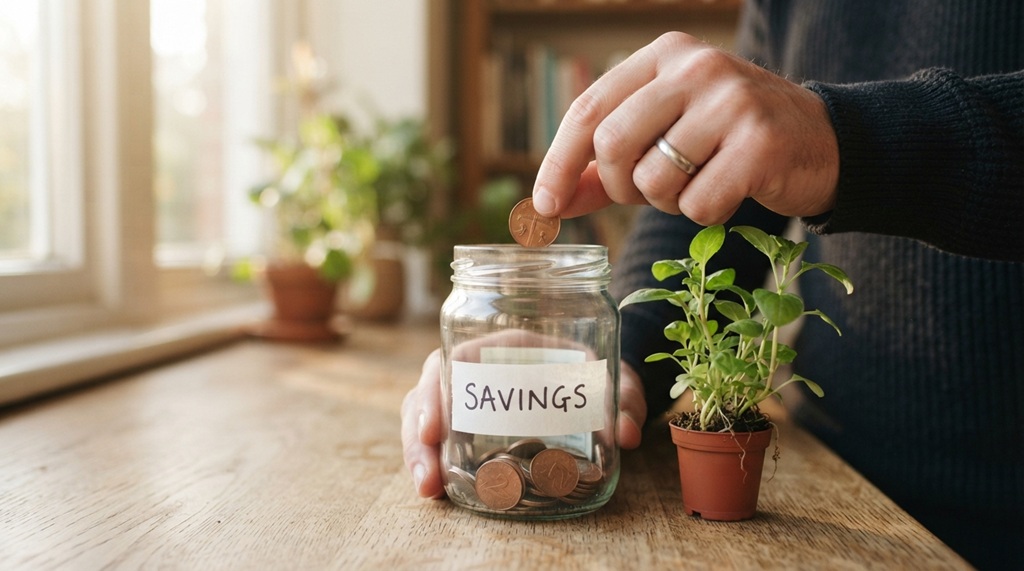
This plan gives you a clear path forward, even if you’re starting from zero.
- Build a tiny safety net. Save enough to cover a small emergency before investing.
- Choose one platform. Pick a robo-advisor, brokerage app, or micro-investing app that fits your comfort level.
- Set an automatic transfer. Automating even $20 a week removes the need for willpower.
- Pick simple investments. A broad index fund or ETF is a strong starting point for most beginners.
- Review your progress every few months. Adjust your contribution as your income grows, but avoid checking daily.
This structure keeps investing simple while still building real momentum.
An Angle Most Guides Skip: Investing in Yourself First
Most articles jump straight to stocks and apps. But your biggest early investment isn’t in the marke it’s in your own earning power.
Boosting your income through a certification, a skill, or a side hustle often produces faster returns than the stock market can offer a beginner. An extra $200 a month from a new skill gives you more to invest and more room to recover from mistakes. Treat your own growth as part of your investment plan, not something separate from it.
FAQ: Common Questions About Investing With Small Money
Is it worth investing if I only have $20 to spare?
Yes. Consistency matters more than the amount. A steady $20 a month builds a habit and grows through compounding over time.
What’s the safest way to start investing as a total beginner?
Broad index funds and robo-advisors are generally considered lower-risk starting points. They spread your money across many companies instead of relying on one.
Should I pay off debt before I start investing?
High-interest debt, like credit cards, usually costs more than investments earn. Pay that down first, then start investing with what’s left.
How often should I check my investments?
Checking once a month or once a quarter is plenty for beginners. Checking daily often leads to stress and impulsive decisions.
Can I lose all my money by investing small amounts?
Losing everything is unlikely with diversified investments like index funds. Individual stocks carry more risk, so spreading your money reduces that danger.
Conclusion
Investing as a beginner doesn’t require a large bank account. It requires a plan, a bit of consistency, and the willingness to start now instead of waiting. Small contributions, made regularly, can grow into real financial security over time.
Pick one platform, automate a small amount, and let time do the rest of the work.

Leave a Reply