

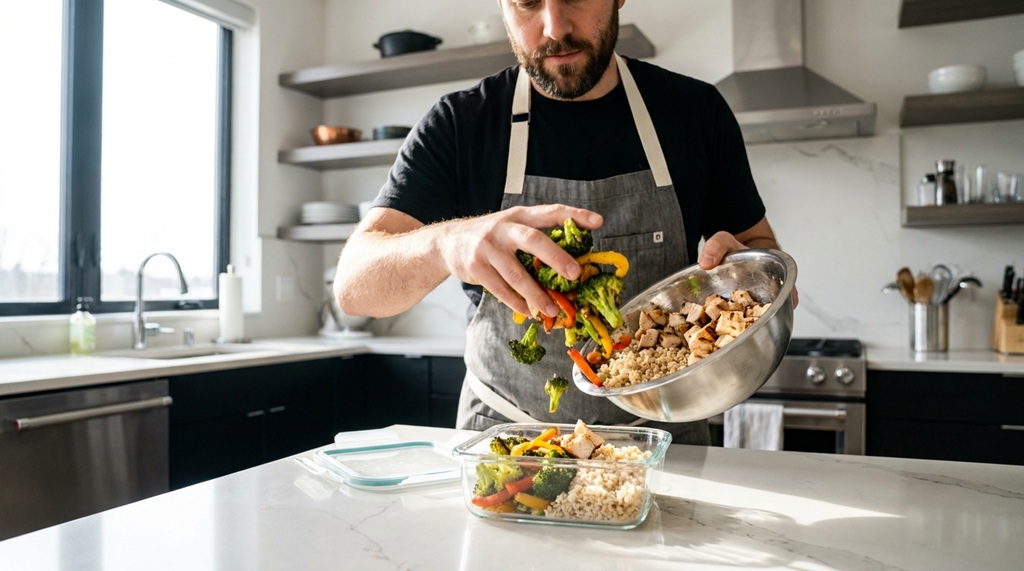
You can cook basic meals easily on a busy schedule by keeping a few staple ingredients on hand, planning meals in advance, and using simple one-pan recipes. You don’t need fancy skills or hours of free time. You just need a system that works with your schedule, not against it.
Many young adults skip cooking because they think it takes too long or costs too much energy after a full day. That belief keeps people stuck on expensive takeout or empty-calorie snacks. The truth is simpler: most basic meals take 20 minutes or less once you know a few shortcuts.
This guide breaks down exactly how to make cooking fit into your life, even when your calendar is packed. Each section gives you a clear, usable tip you can try today.
Why Cooking Feels Hard When You’re Busy
Cooking feels hard when you’re busy because your brain treats it as one more decision on top of everything else. Decision fatigue, not lack of skill, is usually the real problem.
After a long day of work, school, or errands, your mind is tired. Choosing what to cook, checking if you have ingredients, and cleaning up afterward can feel like too many steps. This is why so many people default to ordering food instead of cooking it.
The fix isn’t more willpower. The fix is removing decisions before you’re tired. When you plan ahead, even a little, cooking stops feeling like a chore and starts feeling automatic.
Stocking a High-Efficiency Pantry for Demanding Schedules
A strategically curated pantry serves as the cornerstone of effortless weeknight cooking, eliminating friction and reclaiming hours ordinarily lost to last-minute grocery runs. By maintaining an inventory of versatile, high-quality staples, you seamlessly transition from a long workday directly into meal preparation without decision fatigue. Ultimately, building a frictionless kitchen routine hinges on proactive organization; taking control of your domestic environment becomes far simpler once you master how to manage your time better and stop procrastinating throughout your daily routine.
Pantry Staples Worth Keeping
Keep these items stocked at all times, since they form the base of most quick meals:
- Rice, pasta, or noodles
- Canned beans and canned tomatoes
- Eggs
- Frozen vegetables
- Olive oil and a few basic spices (salt, pepper, garlic powder)
- Bread or tortillas
Fridge and Freezer Basics
Add a few fresh or frozen items each week so you always have protein and produce ready to go. Frozen chicken breast, ground turkey, or plant-based protein all work well because they last longer than fresh cuts and cook quickly from frozen with a microwave defrost setting.
Plan Meals Around 15–20 Minute Recipes
You save the most time by choosing recipes that take 15 to 20 minutes from start to finish, not by trying to cook faster. Speed comes from picking the right recipes, not rushing through complicated ones.
Look for meals with five or fewer main ingredients. Stir-fries, sheet-pan dinners, grain bowls, and one-pot pastas all fit this pattern. These meals also tend to use one or two pots, which cuts your cleanup time too.
A simple rule helps here: if a recipe needs more than one page of instructions, save it for a weekend when you have more time. Weeknight meals should be short enough to remember without checking your phone every step.
Batch Cook Once, Eat for Days
Batch cooking means preparing larger amounts of food once so you have ready-to-eat meals for several days. This is one of the most effective habits for anyone with a busy schedule, and it’s often overlooked by people who assume batch cooking has to mean bland, repetitive meals.
The Overlooked Trick: Cook Bases, Not Full Meals
Instead of batch cooking the same full dish five times, cook flexible “bases” instead. Make a big batch of rice, a tray of roasted vegetables, and a pot of seasoned protein. Then mix and match them into different meals through the week: a bowl one night, a wrap the next, a quick stir-fry after that.
This approach fights meal fatigue, which is the real reason most people quit batch cooking. You get variety without extra cooking time.
How Often to Batch Cook
Once a week is usually enough for most schedules. Sunday or Monday works well for many people, since it sets up the whole week ahead. If your schedule shifts often, batch cook twice a week in smaller amounts instead.
Use Kitchen Tools That Cook While You’re Away
Certain kitchen tools do the cooking for you while you handle other tasks, which makes them ideal for a packed schedule. A slow cooker, rice cooker, or air fryer can turn “I don’t have time to cook” into “dinner is already done.”
A slow cooker lets you add ingredients in the morning and come home to a finished meal. A rice cooker handles grains with zero attention needed. An air fryer cooks proteins and vegetables fast, often in under 15 minutes, with very little cleanup.
You don’t need every gadget on the market. Pick one or two that match how you already cook, and learn them well before adding more.
Build a Rotating List of “Go-To” Meals
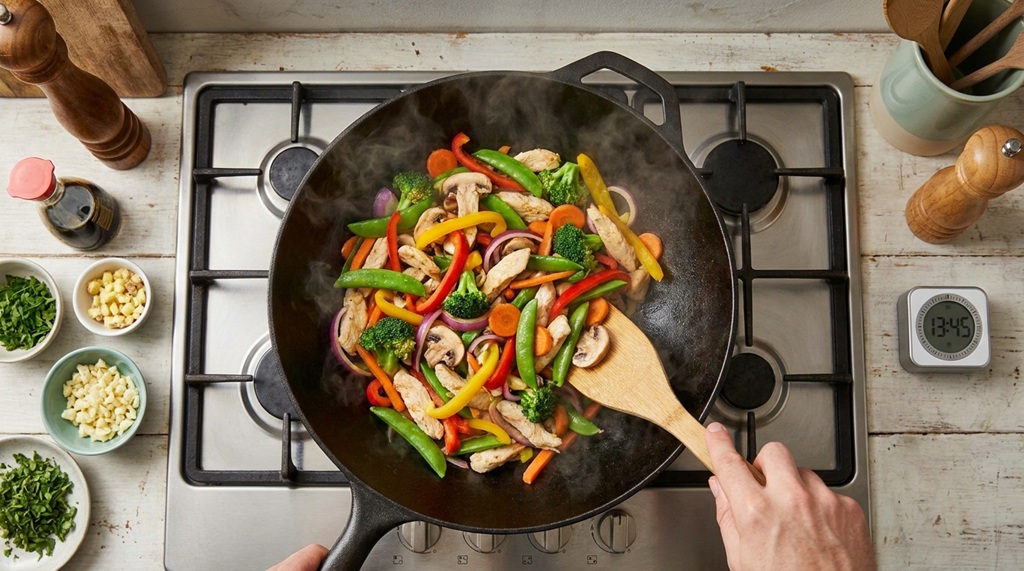
A short list of go-to meals removes the daily “what should I cook” question, which is one of the biggest time drains in cooking. When you already know your options, you can shop and cook without extra thinking.
Pick five to seven simple meals you enjoy and know how to make well. Write them down somewhere visible, like your phone notes or a card on the fridge. Rotate through them weekly, and swap one out every few weeks to keep things interesting.
This method works because it turns cooking into a routine instead of a decision. Athletes and busy professionals use the same trick with meals, and it works just as well for anyone juggling work, school, or both.
Prep Smart, Not Just Fast
Smart prep means doing small tasks in advance so your actual cooking time shrinks later. This is different from batch cooking full meals; it focuses on prepping pieces you’ll use across several different dishes.
Wash and chop vegetables the moment you bring them home, then store them in clear containers. Cook a batch of grains once and portion it out. Marinate proteins the night before so they’re ready to cook the next day. Each of these steps takes a few minutes but saves much more time later in the week.
This habit also reduces food waste, since prepped ingredients get used more often than ones left whole in the fridge.
Frequently Asked Questions
How can I cook if I only have 30 minutes after work?
Choose recipes with five or fewer ingredients and one pan or pot. Sheet-pan dinners, stir-fries, and simple pasta dishes all fit comfortably within 30 minutes. Prepping ingredients earlier in the week makes this even faster.
What are the easiest meals for beginners with no cooking skills?
Start with meals that need basic techniques like boiling, baking, or sautéing. Scrambled eggs, pasta with sauce, and sheet-pan chicken with vegetables are great starting points. These meals teach core skills without requiring advanced techniques.
How do I stop wasting food when I’m too busy to cook often?
Buy smaller quantities of fresh produce and rely more on frozen vegetables and proteins, since they last longer. Prep ingredients as soon as you bring them home instead of leaving them whole in the fridge. This alone cuts a lot of waste.
Is meal prepping worth it for just one person?
Yes, meal prepping saves time and money even for one person. Cooking in batches uses the same amount of effort as cooking a single portion, but it gives you several meals instead of one. It also reduces the temptation to order takeout on tired days.
What if I don’t like eating the same meal several days in a row?
Cook flexible bases instead of full repeated meals. A batch of rice, protein, and vegetables can turn into different meals through the week with small changes in sauce, seasoning, or sides. This keeps meals varied without extra cooking time.
Conclusion
Cooking on a busy schedule comes down to a few habits: stock a simple pantry, choose fast recipes, batch cook smart, and build a short list of meals you can repeat without thinking. None of this requires advanced skills or extra hours in your day.
Start small. Pick one tip from this guide, like batch cooking bases or building your go-to meal list, and build from there. Once these habits stick, cooking stops being a task you dread and becomes a normal part of your week, even on your busiest days.

Leave a Reply