

Planning upcoming trade shows for pool spa professionals in 2027 starts long before you book a hotel room. You have to choose which events justify the travel, budget the booth or badge, and block the calendar weeks in advance. Many dealers, service techs, and hot tub retailers ask the same question each fall: which shows actually pay off? This guide maps the major events, explains why they matter, and shows how to prepare well. If you also follow industry resources such as //aromatherapyhomespa.com/ for product and spa trends, you will get more from every show you attend.
Quick answer: In 2027, pool, spa, and hot tub professionals should target a mix of regional dealer shows and larger national expos, such as the Atlantic City Pool and Spa Show in late January and major industry events later in the year. Register early, set clear goals for leads and supplier meetings, and book travel before show-floor discounts expire. Confirm each event’s exact dates on its official website before you commit.
What is upcoming trade shows for pool spa?
The phrase covers the calendar of industry exhibitions where pool and spa businesses meet suppliers, see new equipment, and attend training. These events range from huge national expos with hundreds of exhibitors to regional dealer shows and hands-on certification workshops. Each has a different audience and price point.
For 2027, most professionals plan around a few anchor events. The Atlantic City Pool and Spa Show, typically held in late January, is one of the earliest major gatherings on the East Coast calendar and draws dealers, builders, and service companies. Regional shows in the Midwest, Southeast, and West Coast fill out the year. National events often add education tracks on water chemistry, equipment repair, and business management.
A single show usually combines three things:
- An exhibition floor where manufacturers display pumps, heaters, filters, covers, and hot tub models
- Seminars or certification sessions, sometimes earning continuing education credits
- Networking events where dealers meet distributors and peers
The audience matters as much as the exhibitor list. A show aimed at builders will focus on construction materials and excavation equipment. A show aimed at retailers leans toward hot tub displays, chemicals, and retail merchandising. Service-focused events emphasize diagnostic tools and repair training.
Timing shapes your plan too. Winter shows let you stock up before the spring build season. Fall events help you plan next year’s inventory and catch end-of-season pricing. Write down the dates as soon as organizers publish them, because venues and hotel blocks fill quickly.
A regional show may cost less in travel and deliver more local leads. A national expo offers broader supplier choice but a higher total cost. Many businesses attend one of each rather than trying to cover every event.
Why upcoming trade shows for pool spa matters
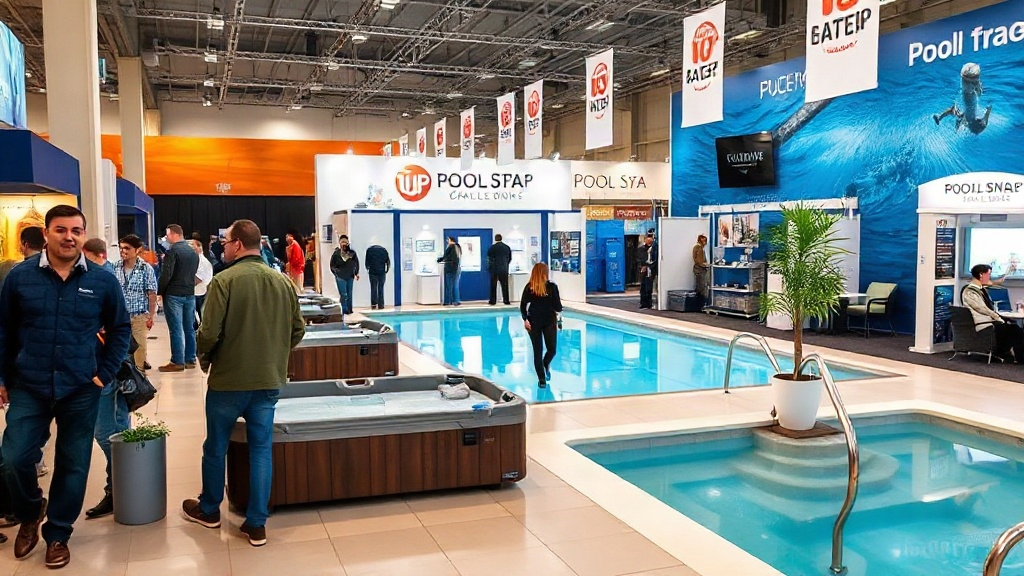
Trade shows remain one of the few places where a dealer can compare equipment side by side and talk to the people who build it. Online catalogs show specs, but they do not let you lift a heater, test a cover’s fit, or ask an engineer why a pump fails in a specific climate. That direct comparison saves costly ordering mistakes.
The buying power is real. Many manufacturers release new models at shows and offer show-floor pricing or extended payment terms. A dealer who waits until spring may pay more or wait weeks for delivery. Booking early often secures both better prices and priority shipping before the busy season.
Education is another draw. Water chemistry, safety codes, and equipment efficiency standards change, and a show seminar is a fast way to catch up. Some sessions count toward certification renewals, which keeps your team compliant without separate training trips. For hot tub retailers, sessions on display setup and service plans often pay for the trip on their own.
Networking carries quiet value. Meeting a distributor rep in person builds a relationship that helps when a part is backordered in July. Peers share what worked in their market, from financing offers to service contracts. Those conversations rarely happen over email.
There is also a competitive angle. If your competitors attend and you skip, they see the new products first and negotiate the better terms. Attending keeps you on equal footing and gives you a reason to call customers with fresh options.
Booth space, travel, hotels, and staff time add up. Treat the show as a marketing and purchasing investment, and set a target for leads or savings that justifies the spend.
Best practices
Good preparation separates a productive show from an expensive walk around a convention hall. Start with a written goal. Do you want ten qualified dealer leads, three supplier contracts, or two staff certifications? A specific target makes every decision easier, from which sessions to attend to how long you stay.
Build your schedule around priorities. Map the exhibitors you must see, then block time for education and networking. Leave gaps for unexpected meetings, because the best contact sometimes happens at a coffee stand. Many attendees use a simple three-tier list:
- Must-see suppliers with active purchasing needs
- Should-see vendors offering new products or better terms
- Optional booths to visit if time allows
Bring the right materials. Pack business cards, a tablet or notebook for notes, and a printed list of questions for each key supplier. If you sell to homeowners, bring photos of completed installations to show manufacturers how their products perform in your market. The Pool and Spa Show 2027 Atlantic City is a good example of an event worth planning around, because early-year timing lets you lock in inventory before spring demand spikes.
Follow up fast. Notes taken on the floor lose value within days, so send a short email to each key contact within 48 hours. Reference something specific from the conversation, such as a model number or a delivery window. A quick, specific follow-up often beats a glossy brochure when a rep decides who gets priority stock.
Send the right people. A technician learns different things than an owner. If budget allows, bring one person focused on products and training and another focused on purchasing and partnerships. Divide the floor between them so no booth gets missed.
Keep receipts and a simple log of orders and quotes. When you review the show later, you can measure actual return against the cost of attending.
Common mistakes to avoid
The most common error is attending without a plan. Wandering the floor feels productive, but it scatters your attention and leaves you with a bag of brochures and few real contacts. Decide your top five exhibitors before you arrive and visit them first, while you still have energy.
Another mistake is skipping the education program. Some attendees treat seminars as optional add-ons, yet a single session on code changes or efficiency standards can prevent costly compliance problems later. Check the schedule in advance and register for sessions that fill up.
Overspending on extras is easy on a show floor. Show specials can be genuine bargains, but they can also tempt you into buying inventory you cannot sell in your market. Compare every offer against your normal supplier terms before signing. Ask about freight, minimums, and return policies, not just the headline price.
Poor follow-up wastes the whole trip. If you collect fifty cards and email none of them, you have paid for a vacation, not a business investment. Set aside time on the trip home to sort contacts and draft messages.
Finally, do not ignore the calendar. Booking hotels late, missing early registration discounts, or discovering a date clash with your busiest week all cost money. Cross-check every show date against your service schedule and staff availability before committing. For hot tub and spa retailers, also confirm whether a show includes retail-focused sessions, since a builder-heavy event may not serve your needs.
Avoid these pitfalls and a modest regional show can outperform an expensive national trip. The discipline of goals, scheduling, and follow-up matters more than the size of the event.
Show dates and venues can shift. Confirm each event on its official website before you book nonrefundable travel.
FAQ
When should I start planning for 2027 shows?
Start in late 2026. Registration for many winter shows opens months ahead, and hotel blocks near major venues fill early. Booking travel and booth space before the end of the year usually secures better rates.
How much should a small dealer budget for one show?
Costs vary widely by distance and event size. A regional show with a modest booth, two staff, and two nights of lodging is a reasonable starting point for a small business. Build your budget from travel, lodging, booth or badge fees, and staff time, then add a margin.
Is it worth attending if I am not buying anything?
Yes. Education sessions, peer conversations, and product research have value even without a purchase. Many attendees go one year to learn and return the next year ready to buy with better information.
Can I attend just one show and still benefit?
One well-chosen show can deliver real results if you prepare and follow up. Pick the event that matches your biggest need, whether that is new inventory, training, or supplier relationships.
Do hot tub retailers need different shows than pool builders?
Often yes. Retail-focused events emphasize displays, chemicals, and service plans, while builder events focus on construction and equipment. Choose based on where most of your revenue comes from.
Conclusion
The 2027 calendar rewards professionals who plan early. Anchor your year around one or two strong events, such as a winter East Coast show and a national expo, and set clear goals for leads, supplier deals, and training. Prepare a short exhibitor list, bring the right staff, and follow up within days of returning. Those habits turn a show ticket into measurable business. Pick your top event this month, check its official dates, and put registration and travel on your calendar before the best rates disappear.

Leave a Reply