


Starting a new venture in visual commerce has never been more promising. Learning how to start a product photography business puts you right at the intersection of creativity and booming e-commerce demand. According to Statista, global e-commerce sales surpassed $5.8 trillion in 2023, and every single product sold online needs compelling images. A separate study by MDG Advertising found that 67% of consumers say image quality is “very important” when making a purchase decision. This guide gives you a clear, step-by-step roadmap to build a profitable, professional product photography business from the ground up.
Why Product Photography Is a High-Demand Business Opportunity
The digital marketplace has created an enormous need for skilled product photographers. Brands of every size, from solo Etsy sellers to large Amazon retailers, constantly need fresh, high-quality images. This demand is consistent throughout the year and grows as more businesses move online. Unlike wedding or portrait photography, product photography offers repeatable, scalable work with clear deliverables. It is one of the most stable niches you can enter in the photography industry today.
Product photography also offers relatively low startup costs compared to other creative businesses. You do not need a massive studio or expensive location permits to get started. Many successful photographers begin right from a home setup with a few essential tools. As your client roster grows, you can reinvest revenue into better equipment and a dedicated space. The financial runway to profitability is shorter than most people expect.
Understanding Your Target Market
Defining your ideal client early shapes every decision you make going forward. Your potential clients include e-commerce store owners, Amazon and Etsy sellers, small business owners, food brands, cosmetics companies, and apparel startups. Each of these groups has different visual needs and budget ranges. Researching these audiences helps you tailor your packages, pricing, and portfolio accordingly. The clearer your niche, the easier it becomes to attract and convert the right clients.
Think about whether you want to specialize further, such as focusing exclusively on food styling, jewelry, or tech products. Specialization often commands higher rates because clients see you as an expert rather than a generalist. However, starting broad and then narrowing your focus based on real client work is also a valid approach. Let your early projects guide you toward the type of product photography you enjoy most. Passion and profit tend to align when you work in a niche that energizes you.
Building the Right Equipment Setup for Your Photography Business
Investing smartly in equipment is one of the most critical steps when you learn how to start a product photography business. You do not need to buy everything at once, but certain tools are non-negotiable from day one. A solid camera body, a versatile lens, and a reliable lighting system form the foundation of your setup. Everything else can be added incrementally as your business grows. Focus on quality over quantity in your early purchases.
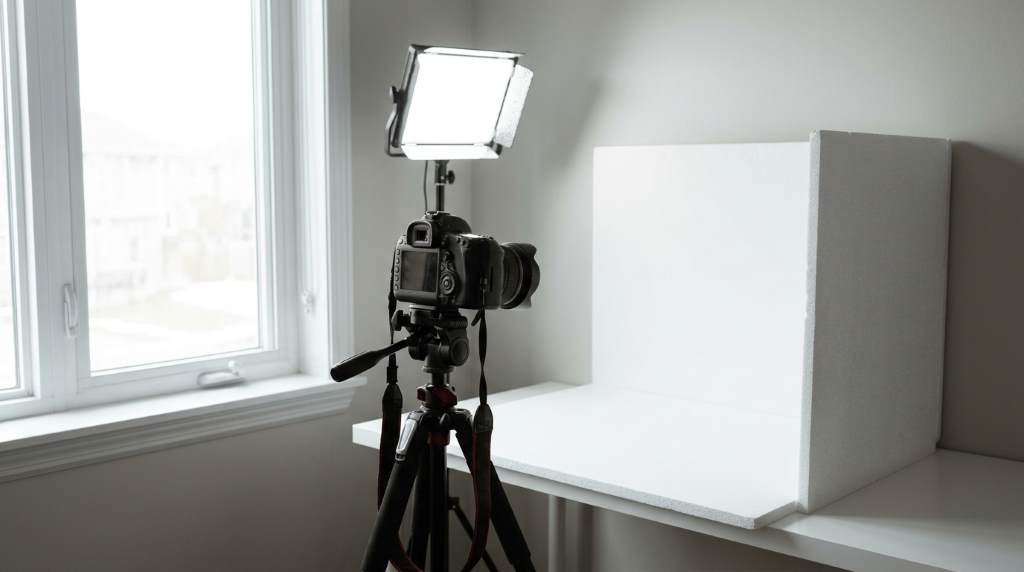
For cameras, a mirrorless or DSLR body in the mid-range tier from brands like Sony, Canon, or Nikon works well for most product work. A 50mm or 100mm macro lens gives you sharp, flattering results for most product categories. Lighting is where many beginners underinvest, yet it dramatically affects image quality. A two or three-point continuous LED setup or a strobe kit with softboxes produces professional results. Pair these with a sturdy tripod and a set of seamless paper backdrops to cover your core needs.
Essential Gear Checklist
Here is a practical starter list to guide your initial investment:
- Camera body: Sony A7 series, Canon EOS R series, or Nikon Z series
- Lens: 50mm f/1.8 or 90–100mm macro lens
- Lighting: Two LED panel lights or a two-strobe kit with softboxes
- Backgrounds: White, black, and gray seamless paper rolls
- Tripod: Sturdy model with a ball head for precise adjustments
- Reflectors and bounce cards: White foam boards work well for beginners
- Editing software: Adobe Lightroom and Photoshop (industry standard)
- Tethering cable: For live preview during shoots
Starting with this kit keeps your initial investment under $2,000 in most cases. You can upgrade specific pieces as your income grows.
Setting Up Your Business Structure and Pricing Model
Treating your photography work as a real business from day one separates serious professionals from hobbyists. Register your business as an LLC or sole proprietorship, open a dedicated business bank account, and keep detailed financial records. This protects your personal assets and simplifies tax season considerably. Consult a local accountant to understand your quarterly tax obligations as a self-employed photographer. A professional business structure builds trust with corporate clients who prefer working with registered vendors.
Pricing is one of the most challenging aspects of how to start a product photography business, especially when you are just beginning. Research local competitors and national platforms like Thumbtack or Bark to understand going rates in your market. Common pricing models include per-image rates, half-day or full-day rates, and monthly retainer packages. Per-image pricing typically ranges from $25 to $150+ per final edited image depending on complexity and usage rights. Package pricing encourages clients to commit to larger orders and gives you predictable revenue.
Creating Service Packages That Sell
Well-structured packages reduce the friction of the sales conversation. Consider offering three tiers: a starter package for small sellers, a standard package for growing brands, and a premium package for larger businesses needing extensive catalogs. Each tier should clearly state the number of images, turnaround time, usage rights, and any styling or prop sourcing included. Transparency in your packages builds confidence and reduces back-and-forth negotiation. Simple, value-clear offerings convert more prospects into paying clients.
Building a Portfolio That Attracts Premium Clients
Your portfolio is your most powerful marketing tool when launching a product photography business. Before landing paying clients, create your own mock product shoots using items you own or source from thrift stores and friends. Photograph electronics, skincare products, candles, food items, and clothing to demonstrate your range. Style each shot thoughtfully, vary your backgrounds and angles, and deliver retouched final images. Even ten to fifteen strong portfolio images can open doors to your first clients.
Showcase your portfolio on a clean, fast-loading website with clear service descriptions and a contact form. Platforms like Squarespace or Adobe Portfolio make professional websites accessible without coding knowledge. Organize your work by product category so visitors can quickly find relevant samples. Include client testimonials as you collect them to reinforce social proof. Your website should work as a 24/7 sales tool that converts visitors into inquiries while you sleep.
Leveraging Instagram and Pinterest for Organic Reach
Social media platforms that favor visual content are natural homes for a product photographer’s marketing. Post your work consistently on Instagram and Pinterest with keyword-rich captions and relevant hashtags. Behind-the-scenes content, including your lighting setup or pre- and post-editing comparisons, performs particularly well. Tag brands whose products you photograph because this often leads to shares and referrals. Consistent social media presence builds both brand visibility and inbound lead flow over time.
Finding and Retaining Your First Clients
Getting your first paid clients is a milestone that validates your business and builds momentum. Start by reaching out directly to small e-commerce sellers on platforms like Etsy, Shopify, or Amazon who are using poor-quality product images. Craft a short, friendly message explaining what you offer, linking to your portfolio, and suggesting a small introductory project. Local small businesses, artisan brands, and food companies are also excellent first targets. A warm, direct outreach approach consistently outperforms passive waiting for inquiries.
Networking within your local business community accelerates early growth. Join your local Chamber of Commerce, attend small business meetups, and connect with marketing agencies that might subcontract photography work. Referral partnerships with graphic designers, web developers, and brand consultants create a reliable source of incoming leads. Offering a referral incentive, such as a discount on a future shoot, motivates partners to recommend you actively. Strong relationships often matter more than advertising in the early stages of building your client base.
Delivering an Experience That Earns Repeat Business
Client retention is far more cost-effective than constantly chasing new clients. Deliver your edited images on time, communicate proactively throughout the project, and present your work in a professional delivery gallery using platforms like Pixieset or Cloudspot. A short follow-up email after delivery, asking for feedback and offering to help with future projects, leaves a lasting positive impression. Clients who feel well-served become loyal and refer others without being asked. Repeat business and referrals can sustain your entire income once your reputation is established.
Scaling Your Product Photography Business for Long-Term Growth
Once you have established a steady client base, think strategically about growth. Consider hiring a part-time assistant or photo editor to free up your time for client work and business development. Investing in a dedicated studio space, either rented or owned, signals professionalism and allows you to take on larger projects. Expanding your service offerings to include video content for social media and e-commerce listings is a powerful way to increase revenue per client. Many brands that hire still photographers also need short product video clips for platforms like TikTok and Instagram Reels.
Building passive income streams also strengthens your business over time. Create and sell Lightroom presets, online courses, or educational content for beginner photographers. License your product images to stock photography platforms for residual income. Write detailed case studies or blog posts about your process to improve your website’s SEO and attract organic traffic. Diversifying your income sources protects your business from the natural fluctuations in client demand.
Conclusion
Understanding how to start a product photography business is just the beginning. The real results come from consistent action, continuous skill development, and treating every client as a long-term relationship worth nurturing. Start with the right equipment, price your services fairly, build a portfolio that speaks for itself, and market your work where your ideal clients spend their time. The product photography industry rewards those who combine artistic talent with a strong business mindset. Begin with one mock shoot this week, publish it online, and take your very first step toward building a business you are proud of.
Frequently Asked Questions
How much does it cost to start a product photography business?
You can launch a basic product photography business for between $1,500 and $3,000, covering a camera, lenses, lighting, and backdrops.
Do I need a studio to start product photography?
No, many successful product photographers start from a home setup using a spare room, a table, and proper lighting equipment.
What is a good starting price for product photography?
A common starting rate is $25 to $50 per final edited image, with packages adjusted based on volume and project complexity.
Which camera is best for product photography beginners?
The Sony A7C, Canon EOS R50, or Nikon Z50 are all excellent beginner-friendly mirrorless cameras well-suited for product photography work.
How long does it take to build a profitable product photography business?
With consistent effort in portfolio building, outreach, and marketing, most photographers achieve steady income within six to twelve months.

Leave a Reply