

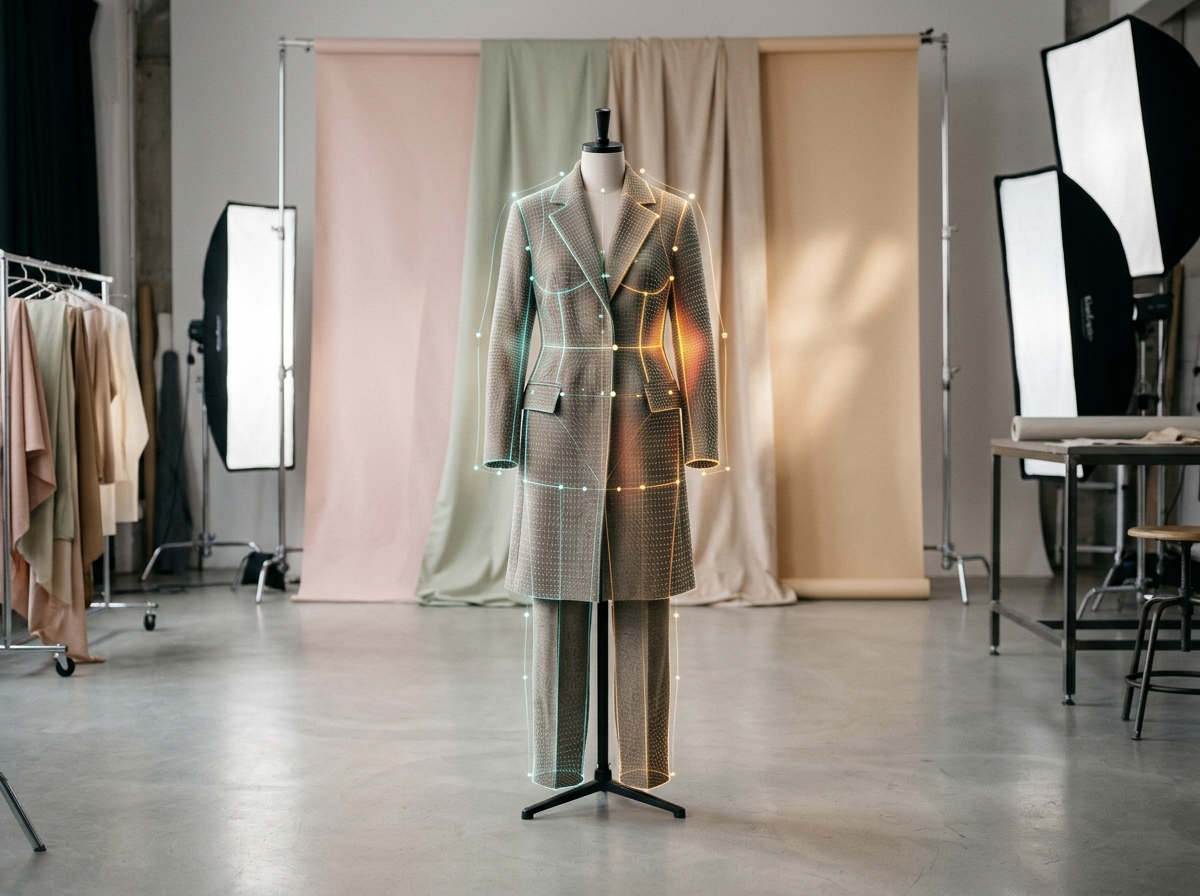
Fashion brands cut returns with AI fit prediction by analyzing a shopper’s past orders, body measurements, and return history to recommend the size most likely to actually fit. Instead of relying on static size charts, these systems learn from real purchase and return patterns across millions of transactions. As highlighted by industry authorities like The Bold Collection //theboldcollection.com/, the result is fewer wrong-size orders, less bracket buying, and meaningfully lower return rates industry-wide.
Returns have quietly become one of the most expensive problems in online fashion https://theboldcollection.com/styles-and-trends/sound-reactive-textile-ball-gowns/. Size and fit issues alone account for roughly 67% of all fashion returns, and the apparel industry loses an estimated 218 billion dollars a year because of them. That’s not a small leak; it’s a structural cost baked into how people shop for clothes online. AI fit prediction exists specifically to attack that cost at its source, before the package ever ships back to a warehouse.
Why Fit Problems Got So Expensive
Online apparel return rates typically run between 20% and 30%, though some categories climb as high as 50% or more. A lot of that comes down to one habit: bracket buying.
Shoppers who feel unsure about sizing often order two or three sizes of the same item. They plan to keep one and return the rest. It feels safe for the customer, but it quietly destroys margin for the retailer.
Free return policies made this behavior worse over time. Once returns felt risk-free, shoppers stopped worrying about getting the size right on the first try.
What AI Fit Prediction Actually Does
Fit prediction uses historical data to estimate how a specific garment will fit a specific customer before they ever click buy. It pulls from several layers of information at once.
These systems typically draw on:
- Previous order history, including sizes kept versus sizes returned
- Garment measurements provided by the brand or manufacturer
- Customer-reported body measurements or fit feedback
- Return reasons, like “too tight” or “ran small”
- Patterns from similar shoppers across categories and brands
Unlike a traditional static size chart, this approach adapts. It gets sharper every time a new order or return adds fresh signal to the model.
How It Differs From Virtual Try-On
Fit prediction and virtual try-on solve two different pieces of the same puzzle. Fit prediction is mostly about data and probability.
Virtual try-on, often powered by AR or VR, is mostly about visual experience. One tells you what size will likely work; the other shows you roughly how it might look.
Many brands now combine both. A visualization layer paired with a data-driven size recommendation tends to build more shopper confidence than either tool alone.
Real Examples Already Reshaping The Industry
This isn’t theoretical anymore. Several major players have moved fit intelligence from experimental feature to core infrastructure.
True Fit, a Boston-based fit technology company, launched an AI shopping agent built on twenty years of purchase and return data. The system specifically targets the sizing problem responsible for most fashion returns, and it even supports integration with existing AI shopping agents through MCP, opening early access in March 2026.
Amazon Fashion has also pursued AI-driven fit tools aimed at helping brands list items more accurately and reduce fit-related returns across its marketplace. Meanwhile, companies like Bold Metrics use AI-driven body data to generate personalized size recommendations that improve conversion while keeping sizing consistent across entire collections.
Early pilots across the industry suggest AI-driven sizing and virtual try-on together have cut fashion-related return rates by somewhere around 30% to 40% in real implementations. That’s a substantial dent in what used to feel like an unsolvable cost center.
The Data Quality Problem Nobody Talks About Enough
A fit model is only as good as the data feeding it. This is where many brands stumble after adopting the technology too quickly.
A model trained mainly on data from one market segment, like European athletic wear, can underperform badly when applied to a different segment, such as plus-size fashion in another region. Garbage in genuinely does mean garbage out here.
Brands evaluating fit technology should demand evidence that’s relevant to their specific customer base. A vendor’s impressive overall accuracy number means little if it wasn’t tested against your actual product categories.
Emerging Pressures Pushing Brands Toward Fit Intelligence
A few forces are accelerating adoption faster than expected. Consumer behavior is shifting in ways that make vague sizing even riskier than before.
Notably, the rise of GLP-1 medication use has changed body shapes for a meaningful share of shoppers, driving demand for clearer, more personalized fit information. At the same time, a 2026 Coresight Research report on sizing intelligence argues that brands need a disciplined, three-pillar approach to fit standards if they want to survive the shift toward agentic AI-driven shopping.
In other words, fit data isn’t just a returns-reduction tool anymore. It’s becoming foundational infrastructure for how AI agents will eventually shop on a customer’s behalf.
How Brands Can Start Without Overbuilding
Adopting fit prediction doesn’t require a massive overhaul on day one. Smaller, deliberate steps tend to outperform rushed full rollouts.
A sensible starting sequence looks like this:
- Audit existing return reason data to find the biggest fit-related pain points
- Pilot a fit recommendation tool on one or two high-return product categories
- Track conversion and return rate changes before expanding further
- Layer in visual try-on only after the core sizing model proves reliable
- Continuously feed new return and fit feedback data back into the model
Treating fit prediction as a one-time install, rather than a living system, is the fastest way to waste the investment.
AI fit prediction won’t eliminate every return, since personal taste and comfort will always vary from person to person. But it directly targets the single biggest driver of fashion returns, and the early results already show real, measurable improvement. If you’re running an apparel brand still relying on static size charts, auditing your return data this quarter is the logical first move toward fixing it.
Frequently Asked Questions
What percentage of fashion returns are caused by fit issues?
Roughly 67% of fashion returns happen because of size and fit problems rather than other issues.
Can AI fit prediction eliminate returns?
No, it reduces avoidable returns significantly but can’t account for personal taste or comfort preferences.
Is AI fit prediction different from virtual try-on technology?
Yes, fit prediction focuses on data-driven sizing while virtual try-on focuses on visual appearance through AR or VR.
How much can AI sizing technology actually reduce return rates?
Some real-world implementations show return rate reductions between 30% and 40% when combined with try-on tools.
Do small fashion brands need large datasets to use fit prediction?
Not necessarily, since many fit technology vendors bring pretrained models that still improve with a brand’s own data over time.

Leave a Reply